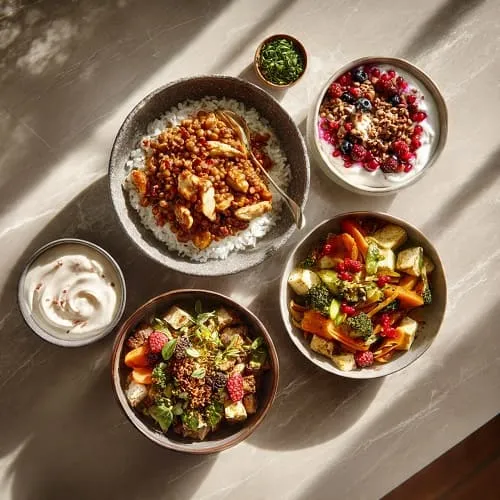
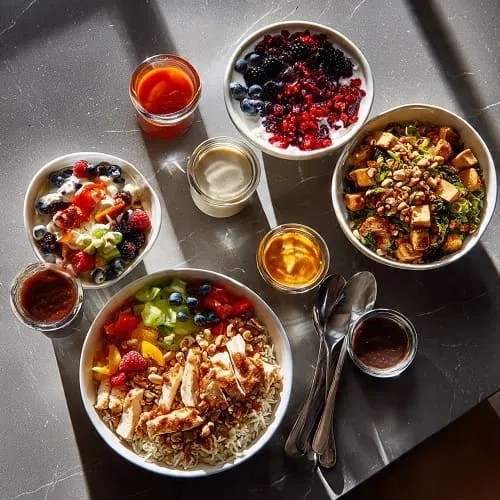
High protein recipes are meals built around a protein “anchor” (like chicken, Greek yogurt, beans, fish, or tofu) plus fiber-rich carbs and flavorful fats so you stay full and satisfied. For most people, aiming for 25–40 grams of protein per meal is a practical target—easy to hit with smart portions and a few simple add-ins.
If your meals leave you hungry an hour later—or you’re tired of forcing down bland “fitness food”—you don’t need a stricter diet. You need better building blocks. The best high-protein meals are the ones that taste like normal, craveable food: cozy bowls, hearty salads, big sheet-pan dinners, creamy breakfasts, and sauces you actually want to spoon over everything.
This guide will show you how to build high-protein meals without making your kitchen complicated. You’ll learn what ingredients pull the most weight, how to keep chicken juicy, how to add protein to everyday recipes, and a full list of high-protein recipe ideas you can rotate all week.
Table of Contents
What Counts as “High Protein” (A Simple, Real-Life Definition)
There’s no single official cutoff, but in everyday home cooking, a “high-protein” meal usually means:
- Breakfast: 20–30g protein
- Lunch/dinner: 25–40g protein
- Snack: 10–20g protein
That doesn’t require extreme portions. It requires consistency: include a solid protein source at every meal, then boost it with a second “supporting” protein when needed (beans, yogurt sauces, cheese, seeds).
If you like checking nutrition facts for ingredients, USDA FoodData Central is a trustworthy database for protein counts and serving sizes.
The High-Protein Plate Formula (So You Don’t Need Perfect Recipes)
When people search for high protein recipes, they often want a list—but the real win is learning a method you can use with what you already cook.
Use this formula:
- Protein anchor: chicken, turkey, fish, eggs, tofu, beans, Greek yogurt
- Fiber carb: rice, quinoa, potatoes, oats, whole-grain pasta, beans
- Color + crunch: roasted vegetables + fresh vegetables
- Flavor maker: salsa, pesto, yogurt sauce, vinaigrette, spice blend
- Optional protein “booster”: edamame, cottage cheese, chickpeas, parmesan
This approach keeps meals satisfying and prevents the classic “plain chicken and plain rice” burnout.
High-Protein Staples That Make Everything Easier
These ingredients can upgrade almost any meal, even when you’re short on time.
| Staple | Why it helps | Easy ways to use it |
|---|---|---|
| Greek yogurt / skyr | High protein + creamy | Sauces, bowls, marinades, breakfast |
| Cottage cheese | Big protein boost | Blend into pasta sauce, dips, toast |
| Eggs | Fast, versatile | Scrambles, egg muffins, fried rice |
| Canned beans / lentils | Protein + fiber | Chili, salads, soups, wraps |
| Frozen edamame | Easy add-in protein | Stir-fries, bowls, salads |
| Chicken thighs or breasts | High protein anchor | Sheet-pan meals, bowls, salads |
High-Protein Chicken: Your Most Flexible Starting Point
Chicken is popular for a reason: it’s versatile, widely available, and works with almost any flavor profile. If chicken is your go-to, you’ll love this dedicated internal guide: high protein chicken recipes easy.
Chicken breast vs thighs (what I recommend)
- Breast: leaner, higher protein per calorie, but easier to dry out if overcooked.
- Thighs: slightly less protein per ounce, but much juicier and more forgiving—great for meal prep.
How to keep chicken juicy (the non-negotiables)
- Season ahead (even 15–30 minutes helps).
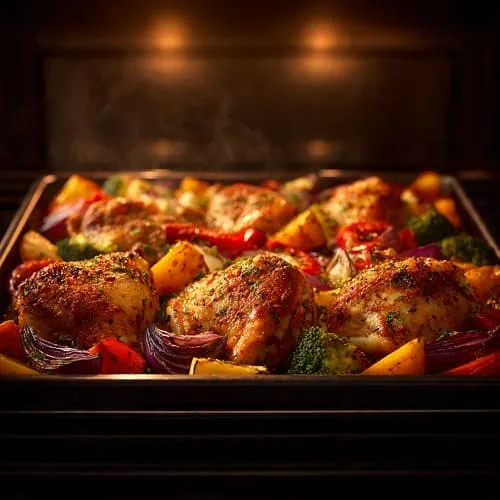
- Use high heat for browning (425°F roasting or a properly preheated skillet).
- Don’t overcook—pull it when it’s done and let it rest.
- Slice after resting so juices stay in the meat.
12 High Protein Recipes You Can Rotate All Week
These are written like a real kitchen plan: what to cook, how to boost protein, and how to keep it tasting fresh.
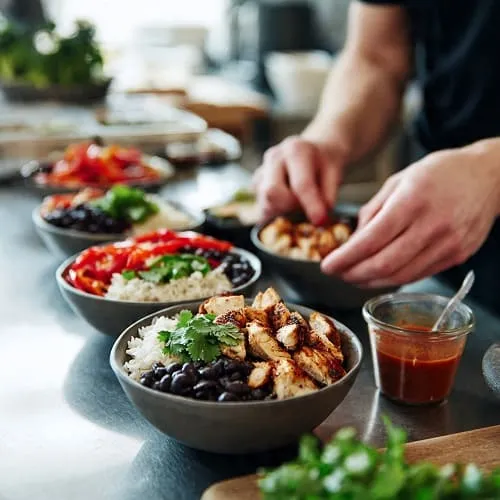
1) Chicken Fajita Bowl (Meal-Prep Friendly)
What it is: roasted chicken + peppers/onions + rice, finished with salsa and lime.
- Protein boost: add black beans or Greek yogurt “crema.”
- Flavor tip: finish with lime and cilantro right before eating.
- Storage: keep salsa/crema separate until serving for best texture.
2) Greek Yogurt Chicken Salad (No Dry Lunches)
What it is: shredded chicken mixed with Greek yogurt, mustard, celery, and herbs.
- Protein boost: add chopped hard-boiled eggs or chickpeas.
- Serve it: in a wrap, on toast, or over greens.
- Make it better: a squeeze of lemon wakes up the whole bowl.
3) High-Protein Pasta With Creamy Cottage Cheese Sauce
What it is: blend cottage cheese with garlic, parmesan, lemon, and a splash of pasta water for a silky sauce.
- Protein boost: use chickpea pasta or add sautéed chicken or shrimp.
- Texture tip: blend until smooth so it tastes creamy, not curdy.
4) Turkey & Bean Chili (Big Batch Winner)
What it is: ground turkey simmered with beans, tomatoes, onions, and chili spices.
- Protein boost: add extra beans or stir in Greek yogurt when serving.
- Flavor tip: a splash of vinegar or lime at the end makes it pop.
- Meal prep: freezes beautifully in single portions.
5) Salmon Quinoa Bowls (Fast, “Grown-Up” Dinner)
What it is: baked salmon over quinoa with roasted broccoli and a lemony sauce.
- Protein boost: add edamame or a dollop of Greek yogurt sauce.
- Timing tip: salmon is best within 2–3 days for peak quality.
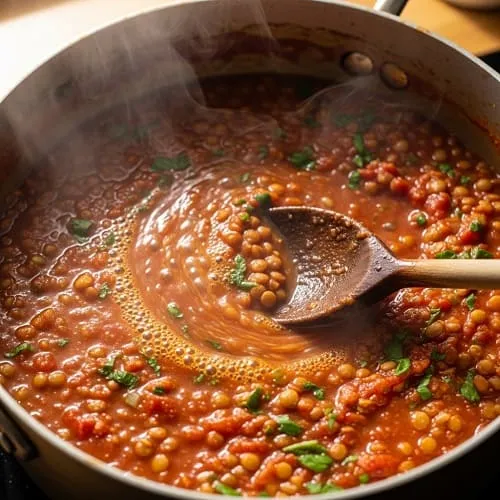
6) Lentil “Bolognese” (Plant-Based, High-Protein Comfort Food)
What it is: lentils simmered in a tomato sauce with garlic and Italian herbs, served over pasta or roasted spaghetti squash.
- Protein boost: serve with grated parmesan or a side of Greek yogurt (savory yogurt sauces are underrated).
- Make it richer: sauté tomato paste before adding liquids for deeper flavor.
7) Tofu Peanut Stir-Fry (Better Than Takeout)
What it is: crisped tofu with stir-fry vegetables and a peanut sauce.
- Protein boost: add edamame or serve with quinoa.
- Texture tip: press tofu briefly and sear in a hot pan—color equals flavor.
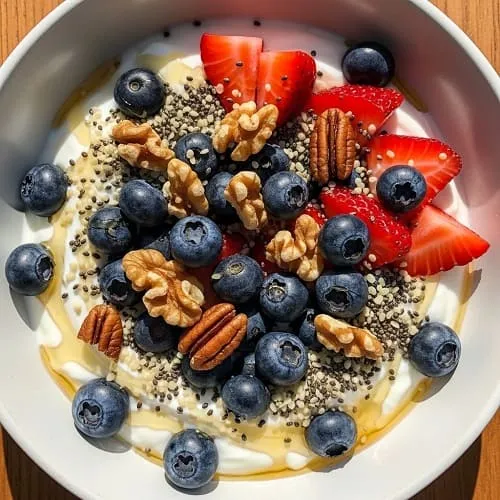
8) Breakfast Greek Yogurt “Power Bowl”
What it is: Greek yogurt topped with berries, chia/hemp, and a crunchy topping.
- Protein boost: add a spoon of peanut butter or a handful of nuts.
- Make it meal-prep friendly: prep topping “kits” separately to keep crunch.
9) Egg Muffin Cups With Veggies (Grab-and-Go)
What it is: eggs whisked with spinach/peppers and baked in a muffin tin.
- Protein boost: add turkey sausage crumbles or cottage cheese.
- Storage: refrigerate 3–4 days; reheat gently so they stay tender.
10) Tuna + Chickpea Salad (No-Cook High Protein)
What it is: tuna, chickpeas, cucumber, red onion, olive oil, lemon, herbs.
- Protein boost: add feta or a hard-boiled egg.
- Serve it: in lettuce cups, pita, or over rice for a bigger meal.
11) Chicken & White Bean Soup (Cozy, High-Protein)
What it is: shredded chicken simmered with white beans, carrots, celery, and herbs.
- Protein boost: extra beans or a swirl of Greek yogurt off heat.
- Flavor tip: finish with lemon zest and black pepper.
12) “Loaded” Baked Potato With Cottage Cheese
What it is: baked potato topped with cottage cheese, chives, and a protein topping.
- Protein boost: add chopped chicken, turkey chili, or smoked salmon.
- Why it works: it’s comfort food that quietly hits your protein goal.
High-Protein Breakfast Without Eggs (Yes, It’s Possible)
If eggs aren’t your thing (or you just want variety), you still have plenty of options: Greek yogurt bowls, cottage cheese toast, overnight oats made with high-protein dairy or soy, smoothie bowls, and chia puddings.
For a full list you can rotate, use this internal resource: high protein breakfast ideas no eggs.
How to Make High-Protein Food Taste Like Real Food
High protein recipes fall flat when they’re treated like math instead of dinner. A few chef-y habits make a huge difference:
- Season in layers: salt early, taste at the end.
- Add acid: lemon or vinegar makes protein-heavy meals feel lighter.
- Use sauces: yogurt sauces, salsa, tahini, pesto—this is where the joy lives.
- Chase texture: add something crunchy (cabbage, cucumbers, toasted nuts).
- Brown your protein: color adds flavor you can’t fake.
Want more fundamentals that improve everything you cook (not just high-protein meals)? This external guide is a great reference: Harvard Nutrition Source: Protein.
Chicken-Specific Tips (Because Most People Ask)
What can I eat with chicken for more protein?
Pair chicken with a second protein source so the meal stays satisfying without needing huge portions of meat:
- Black beans or chickpeas
- Edamame
- Greek yogurt sauce (tzatziki, ranch-style, cilantro-lime)
- Cottage cheese (blended into sauces or served on the side)
- Quinoa (small boost plus great texture)
How to cook chicken to get the most protein?
Cooking doesn’t “increase” protein, but it can affect what you actually eat. The best approach is:
- Choose a lean cut like breast if your goal is the most protein per calorie.
- Cook just until done so it stays juicy and you don’t avoid eating it later.
- Use a thermometer and let it rest—overcooking is what makes chicken feel like a chore.
Frequently Asked Questions About High Protein Recipes
What can I eat with chicken for more protein?
Add a second protein source like beans, lentils, edamame, Greek yogurt-based sauces, or cottage cheese. Pairing chicken with one of these boosts protein and adds texture, fiber, and flavor so the meal feels more satisfying.
What are some high-protein meals with chicken?
Great options include chicken fajita bowls with beans, Greek yogurt chicken salad, chicken and white bean soup, chicken stir-fry with edamame, and sheet-pan chicken with roasted vegetables served over quinoa. These meals are easy to prep and hold up well for lunches and dinners.
How to cook chicken to get the most protein?
Protein content is mainly determined by the cut and portion size, not the cooking method. To maximize protein per calorie, choose chicken breast, trim excess skin/fat, and cook just until done so it stays tender. Overcooking doesn’t remove protein, but it can make chicken dry and less enjoyable to eat.
What are the best high-protein vegetarian recipes?
Lentil bolognese, tofu stir-fry, chickpea salads, bean chili, and quinoa bowls with edamame are reliable high-protein vegetarian meals. For extra protein, use Greek yogurt (if not vegan) or soy-based dairy alternatives and add seeds like hemp or chia.
How can I meal prep high-protein recipes without getting bored?
Prep proteins and bases in batches, then change the flavor with sauces and toppings. For example: the same chicken can become a fajita bowl, a Mediterranean bowl with tzatziki, or a spicy buffalo-style bowl just by switching seasonings and finishers.
Conclusion: High-Protein Cooking That You’ll Actually Stick With
The best high-protein recipes don’t feel like a separate “diet menu.” They’re just normal meals built with smarter anchors—chicken that’s cooked well, beans and lentils that add hearty texture, yogurt and cottage cheese that turn into creamy sauces, and finishers like citrus and herbs that keep everything bright.
Start with one or two meals from this list, repeat them until they feel easy, then branch out. Once you learn the high-protein plate formula, you won’t need to hunt for a new recipe every day—you’ll be able to build satisfying meals on autopilot.

Hi, I’m Emma! I’m a busy home cook who loves creating quick, delicious recipes that real people can actually make. At GICRA Kitchen, I share easy air fryer meals, high-protein recipes, and meal prep ideas that fit into your busy life. Welcome to my kitchen! About Emma Carter