
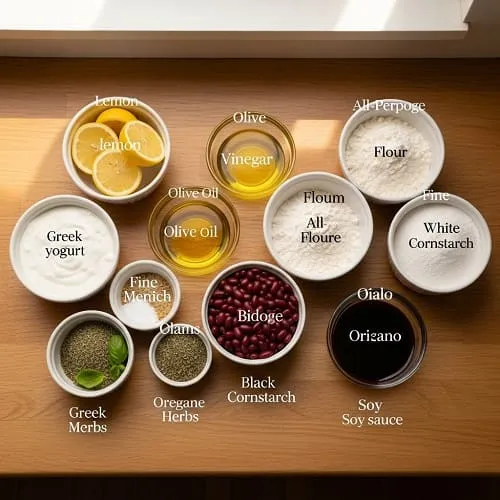
Ingredient substitutes for cooking are smart swaps that keep dinner on track when you’re missing something—or when you’re cooking for allergies, preferences, or budget. The key is matching the ingredient’s job (flavor, fat, acid, thickening, binding) before you swap. With a few reliable replacements, you can save most recipes without sacrificing taste.
You’re halfway through a recipe, the pan is hot, and that’s when you realize you’re out of something important. No eggs. No milk. No cornstarch. No fresh herbs. It’s the kind of moment that makes you consider cereal for dinner.
Don’t. Most recipes are more flexible than they look—especially savory cooking. The trick is knowing which substitutions work, how to adjust them, and when a swap will change the final result. This guide is my practical, home-kitchen list of ingredient substitutes for cooking, organized by what you’re trying to replace, plus quick ratios, best uses, and a few “please don’t do this” warnings.
Table of Contents
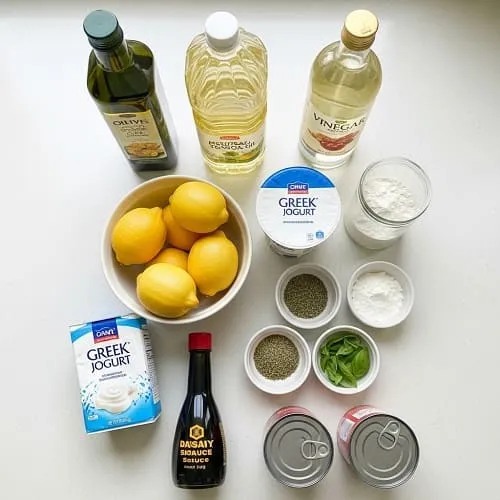
How to Substitute Ingredients Like a Cook (Not a Guess)
Before you swap anything, ask one question:
What is this ingredient doing in the recipe?
- Flavor: garlic, herbs, spices, wine, soy sauce
- Fat/richness: butter, oil, cream, cheese
- Acid/brightness: lemon, vinegar, buttermilk, tomatoes
- Thickening: flour, cornstarch, yogurt reduction, purees
- Moisture: broth, milk, water, tomato products
- Binding/structure: eggs, breadcrumbs, flour (especially important in baking)
Once you know the “job,” you can choose a substitute that does the same job—even if it’s not the same ingredient.
Quick “Save the Recipe” Cheat Sheet (Common Emergencies)
| If you’re out of… | Try this instead | Best for |
|---|---|---|
| Buttermilk | Milk + lemon juice or vinegar (rest 5 min) | Pancakes, marinades, quick breads |
| Heavy cream | Half-and-half + butter, or evaporated milk | Sauces, soups, pasta |
| Sour cream | Greek yogurt | Tacos, dips, baked potatoes |
| Cornstarch | Flour slurry, arrowroot, potato starch | Thickening sauces |
| Breadcrumbs | Crushed crackers, oats, or panko substitute | Meatballs, topping casseroles |
| White wine | Broth + splash of vinegar or lemon | Deglazing, pan sauces |
| Fresh herbs | Dried herbs (use less) | Soups, stews, marinades |
Dairy Substitutes (Milk, Buttermilk, Cream, Sour Cream, Yogurt)
Dairy replacements are some of the easiest swaps in cooking because most of the time you’re replacing richness and creaminess. Just keep an eye on sweetness (some non-dairy milks are sweetened) and thickness (some are watery).
Milk substitutes
- Best all-purpose: unsweetened soy milk (closest protein and behavior in sauces)
- Also works: oat milk (creamy), unsweetened almond milk (lighter)
- In a pinch: water + a little extra fat (butter/oil) for richness
Tip: For savory cooking, always choose unsweetened plant milks.
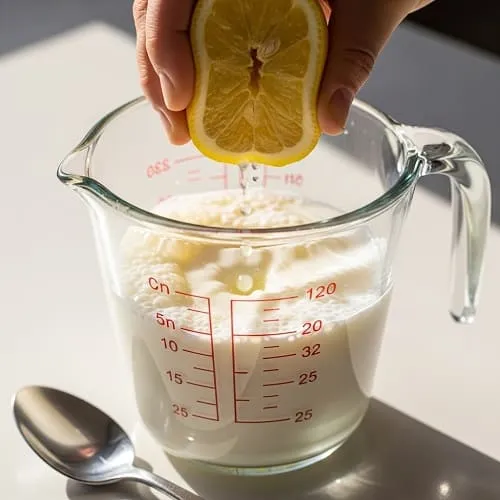
Buttermilk substitute (easy ratio)
For 1 cup buttermilk, mix:
- 1 cup milk + 1 tablespoon lemon juice or white vinegar
Let it sit 5 minutes. It won’t be as thick as true buttermilk, but it delivers the acidity that most recipes need.
Heavy cream substitutes (for sauces and soups)
- Half-and-half + butter: adds richness closer to cream
- Evaporated milk: surprisingly good in soups and creamy sauces
- Greek yogurt: great for creamy texture, but add off-heat to prevent curdling
- Coconut milk: excellent for curries; can taste coconut in neutral dishes
Sour cream substitutes
- Greek yogurt: closest match for tang + texture
- Crème fraîche: richer, less tangy
- Mashed cottage cheese (blended): works in dips/sauces if blended smooth
Butter and Oil Swaps (Cooking vs Baking)
In savory cooking, butter is often used for flavor and richness—so you have options. In baking, butter is structure, moisture, and flavor, so substitutions are more specific.
In cooking, you can usually swap butter with:
- Olive oil: best for sautéing vegetables, pasta, soups
- Avocado oil or canola: neutral, good for high heat
- Ghee: buttery flavor with higher smoke point
If you specifically need a baking swap, use this internal guide for detailed ratios and best use cases: Butter substitute for baking.
Egg Substitutes (When You’re Cooking, Not Baking)
Eggs show up in cooking for a few different jobs: binding (meatballs), thickening (custardy sauces), breading, and adding richness.
For binding (meatballs, meatloaf, burgers)
- Mashed potato or sweet potato (great texture, mild flavor)
- Greek yogurt (adds moisture; use a small amount)
- Ground flax + water (“flax egg” works well in veggie patties)
- Extra breadcrumbs + a splash of milk (helps hold shape)
For breading
- Buttermilk or milk
- Greek yogurt thinned with water
- Mustard (surprisingly great adhesive + flavor)
For baking-specific egg replacements (where structure matters a lot), this internal guide is the one to follow: Egg substitute for baking.
Flour, Breadcrumbs, and Thickener Substitutes
Thickening is one of the most useful substitution skills because it saves soups, stews, stir-fries, gravies, and pie fillings.
Cornstarch substitute (for sauces)
- All-purpose flour slurry: whisk flour with cold water, then simmer to cook out raw taste
- Arrowroot or potato starch: glossy sauces, great for gluten-free
Rule of thumb: flour thickens less per spoon than cornstarch, and it needs a little simmer time to taste right.

Breadcrumb substitutes (for topping or binding)
- Crushed crackers (butter crackers work especially well for casseroles)
- Rolled oats (great for meatballs or veggie burgers)
- Crushed cornflakes (crispy topping, gluten-free depending on brand)
- Panko substitute: lightly crushed toasted bread
All-purpose flour substitute (for light thickening or dredging)
- Gluten-free flour blend (works best if it contains a gum/starch mix)
- Rice flour (excellent for crisping and light dredging)
Broth, Stock, and Bouillon Substitutes
Broth is mostly a flavor base. If you’re out, you can still build a tasty foundation.
- Water + bouillon (keep bouillon slightly under-salted, then adjust)
- Water + soy sauce + a pinch of garlic/onion powder (works shockingly well in a pinch)
- Vegetable cooking water (from boiling potatoes or carrots) for light soups
Tip: If you substitute water for broth, compensate with aromatics (onion/garlic) and a little umami (soy sauce, parmesan rind, mushrooms).
Wine Substitutes (For Deglazing and Sauces)
Wine is usually used for acidity and aroma. You can mimic the effect without alcohol.
White wine substitutes
- Chicken/veg broth + lemon juice
- Broth + white wine vinegar (use a small splash)
Red wine substitutes
- Beef broth + balsamic vinegar (a little goes a long way)
- Broth + a spoon of grape juice (for mild sweetness + body), then balance with vinegar
Tomato Product Substitutes (Paste, Sauce, Crushed, Fresh)
Tomatoes are both flavor and body, and different tomato products behave differently.
- Out of tomato paste? Simmer down tomato sauce or crushed tomatoes to concentrate flavor.
- Out of tomato sauce? Blend crushed tomatoes until smooth, then simmer.
- Out of canned tomatoes? Use fresh tomatoes plus a longer simmer time, or use jarred marinara in a pinch (watch the seasoning).
Pro move: If a sauce tastes too “tomato sharp,” add a small knob of butter or a drizzle of olive oil and a pinch of salt, then simmer a bit longer.
Herbs and Spice Substitutions (Fresh, Dried, and Pantry Fixes)
Herb swaps are where people either overdo it (hello, oregano explosion) or underdo it (why is this bland?).
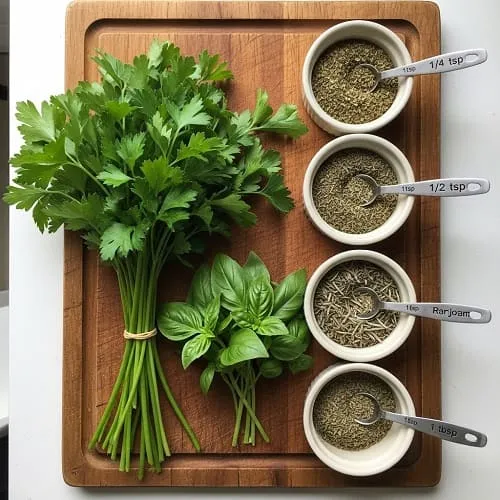
Fresh herbs vs dried herbs
A good rule:
- 1 tablespoon fresh = 1 teaspoon dried
Add dried herbs earlier (they need time to hydrate). Add fresh herbs at the end (they’re your “bright finish”).
No fresh garlic?
- Garlic powder (start small, then adjust)
- Jarred minced garlic (works best when cooked, not raw)
No onion?
- Shallot (milder, great in sauces)
- Green onions (best as a finisher)
- Onion powder (use sparingly; it’s concentrated)
“Make It Taste Like Something”: Umami Substitutes
When a dish tastes flat even after salting, it often needs umami—that savory depth that makes food feel satisfying.
Easy umami boosters
- Soy sauce or tamari (a few drops can transform soups and sauces)
- Worcestershire sauce
- Miso paste (stir in off heat)
- Parmesan (or even the rind simmered in soups)
- Mushrooms (fresh or dried)
Tip: Add umami in small amounts and taste. The goal is depth, not a dish that screams “soy sauce.”
Substituting for Allergies: A Quick, Responsible Note
Many substitutions are driven by allergies. If you’re cooking for someone with a serious allergy, read labels carefully and avoid cross-contact (shared cutting boards, utensils, and oil can matter). For reliable allergy information and label-reading guidance, Food Allergy Research & Education is a helpful resource: FARE: Milk Allergy.
Substitution Mistakes to Avoid (Learn From Everyone’s Regrets)
- Using sweetened plant milk in savory dishes (you’ll taste it).
- Replacing heavy cream with straight milk in creamy sauces (it can turn thin and sad—add richness).
- Adding Greek yogurt to boiling soup (it can curdle—temper it or add off heat).
- Overdoing dried herbs (they intensify as they hydrate).
- Thinking “more spice” fixes bland food (often it’s salt, acid, or browning).
The “Emergency Substitution Pantry” (If You Want Fewer Store Runs)
If you keep a few of these around, you can swap your way through most weeknight cooking:
- Neutral oil + olive oil + butter or ghee
- Vinegar (apple cider or white) + lemons
- Greek yogurt
- Canned beans + canned tomatoes
- Broth or bouillon
- Cornstarch or flour (plus arrowroot if you cook gluten-free)
- Dried herbs (oregano, basil, thyme) + garlic/onion powder
- Soy sauce or Worcestershire
Two Trustworthy References Worth Bookmarking
Frequently Asked Questions
What is the best substitute for buttermilk in cooking?
The easiest option is milk mixed with acid: for 1 cup buttermilk, combine 1 cup milk with 1 tablespoon lemon juice or white vinegar and let it sit for 5 minutes. It gives you the tang and tenderness that many recipes rely on, especially marinades and pancakes.
What can I use instead of heavy cream in a sauce?
For creamy sauces, try half-and-half with a little butter, evaporated milk, or Greek yogurt added off heat. Coconut milk works well in curries. Plain milk alone often tastes thin, so add richness or reduce the sauce longer to concentrate it.
What can I substitute for cornstarch to thicken?
A flour slurry (flour whisked into cold water) works well, but it needs a brief simmer to cook out the raw flour taste. Arrowroot and potato starch are also great thickeners, especially for gluten-free cooking, and they create a glossy finish.
How do I substitute fresh herbs for dried herbs?
Use about one-third as much dried herb as fresh: 1 tablespoon fresh equals about 1 teaspoon dried. Add dried herbs earlier in cooking so they can hydrate, and add fresh herbs at the end for a bright, fresh flavor.
Can I replace eggs in meatballs or meatloaf?
Yes. For binding, you can use mashed potato, a small amount of Greek yogurt, a flax “egg” (ground flax + water), or extra breadcrumbs with a splash of milk. Choose the substitute based on the texture you want and how moist your mixture already is.
Conclusion: Substitutions Are a Skill—And You’ll Get Better Fast
The best thing about learning ingredient substitutes for cooking is freedom. You stop abandoning recipes halfway through, you waste less food, and you get more confident in the kitchen. Remember: match the ingredient’s job (flavor, fat, acid, thickener, binder), adjust in small steps, and taste as you go. With a few pantry staples and the swaps in this guide, you can make dinner work—almost no matter what’s missing.

Hi, I’m Emma! I’m a busy home cook who loves creating quick, delicious recipes that real people can actually make. At GICRA Kitchen, I share easy air fryer meals, high-protein recipes, and meal prep ideas that fit into your busy life. Welcome to my kitchen! About Emma Carter