
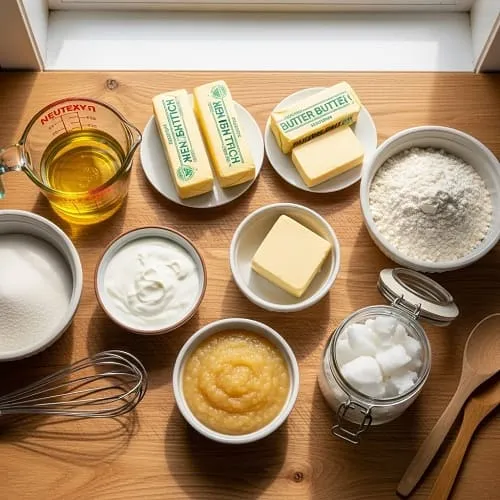
A butter substitute for baking depends on what the butter is doing in your recipe: adding fat, flavor, moisture, and sometimes lift (when creamed with sugar). The most reliable swaps are neutral oil (for moist cakes and muffins), margarine or vegan butter (for similar structure), and shortening (for flaky crusts). Choose the substitute based on the bake.
You don’t realize how often you reach for butter until you’re halfway into mixing cookie dough and the wrapper is empty. I’ve been there—standing in the kitchen, flour on my shirt, wondering if olive oil is about to ruin dessert.
Here’s the good news: most baked goods can handle a butter swap beautifully if you pick the right replacement and adjust with a little intention. This guide breaks down the best butter substitute for baking options, the exact ratios that work, and which swaps are “almost identical” versus “expect a different texture.”
Table of Contents
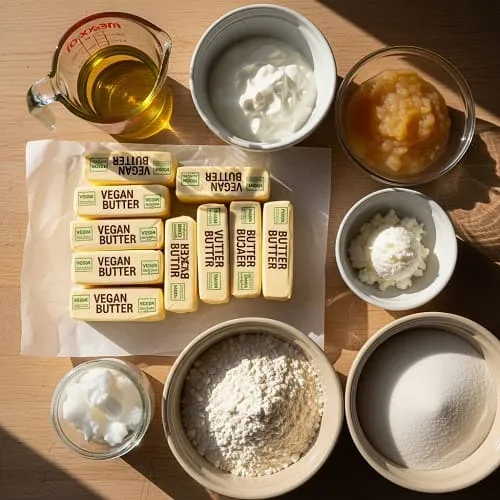
What Butter Actually Does in Baking (So You Can Swap It Correctly)
Butter isn’t just “fat.” It’s a multi-tasker, and that’s why substitutions can be tricky.
- Fat: tenderness, richness, and that satisfying mouthfeel.
- Water: butter is roughly 80% fat and 15–18% water, which affects moisture and gluten development.
- Flavor: classic buttery taste (especially in cookies and frostings).
- Structure + lift: when you cream butter and sugar, you trap air that helps certain cakes and cookies rise and bake up lighter.
- Texture: butter can create flaky layers (pie crust) or crisp edges (cookies) depending on how it’s used.
Translation: the best substitute depends on your goal. Are you baking a fluffy cake? A chewy cookie? A flaky crust? Each needs a different “butter job.”
Quick Pick: The Best Butter Substitutes by Recipe Type
If you want the fastest answer, start here:
| Bake | Best Butter Substitute | Why it works |
|---|---|---|
| Cakes & muffins | Neutral oil | Moist, tender crumb; easy 1:1-ish swap |
| Cookies | Vegan butter or margarine | Closest structure and spread to butter |
| Brownies | Oil or half oil/half yogurt | Fudgy texture, stays moist |
| Pie crust | Shortening (or half butter/half shortening) | Flakier, more stable layers |
| Frosting | Vegan butter, shortening, or cream cheese | Whips well, holds shape |
For a bigger substitution toolbox beyond butter, this internal guide is a helpful bookmark: Ingredient Substitutes for Cooking (Easy Swap Guide).
Butter Substitution Ratios (The Ones That Actually Work)
When possible, measure by weight—baking is more consistent that way. But if you’re baking right now and just need a quick conversion, these are dependable starting points.
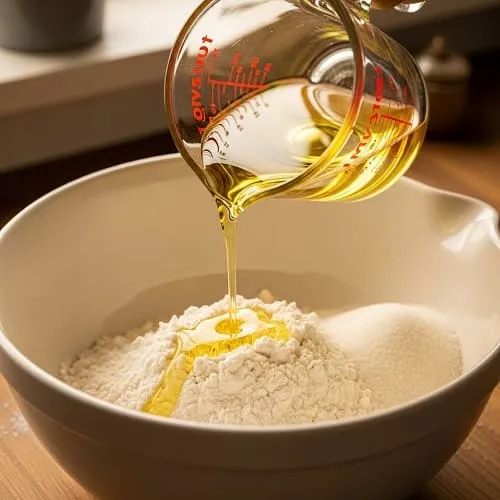
1) Oil instead of butter (best for cakes, quick breads, brownies)
- Use: 3/4 cup oil for 1 cup butter (or 12 tbsp oil for 16 tbsp butter).
- Best oils: canola, vegetable, avocado, light olive oil (not strongly flavored).
- Expect: a softer, moister bake with less “buttery” flavor and less crispness.
Pro tip: If you miss the flavor, add 1/2 teaspoon vanilla, a pinch of salt, and (for some recipes) a touch of butter extract. Flavor is often what people think is “texture.”
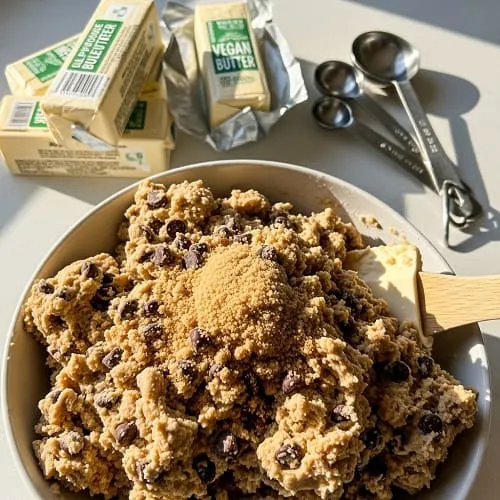
2) Margarine (stick) or vegan butter (best all-purpose)
- Use: 1:1 replacement by volume (1 cup for 1 cup).
- Choose: sticks, not tubs (tub spreads often have more water and can cause spreading).
- Expect: results closest to butter in cookies, bars, and cakes.
What to look for: products labeled for baking often behave more like butter. If you want to get nerdy, look for higher fat content and fewer added water ingredients.
3) Shortening (best for flaky crusts and stable frosting)
- Use: 1:1 replacement by volume.
- Expect: less flavor than butter but excellent structure (flakier crust, frosting that holds up in warm rooms).
4) Coconut oil (works well, but choose refined if you don’t want coconut flavor)
- Use: 1:1 replacement (melted for cakes; solid for pie crust-style mixing).
- Expect: a slightly different mouthfeel; can firm up more when chilled.
5) Ghee (clarified butter)
- Use: slightly less than 1:1 (ghee has no water, so start with about 3/4–7/8 of the amount and adjust if needed).
- Best for: recipes where butter flavor matters but you want less water in the dough.
Reduced-Fat Butter Substitutes (Applesauce, Yogurt, Pumpkin)
Sometimes the goal isn’t “no butter in the house.” It’s “lighter bake” or “dairy-free and still moist.” Fruit purées and yogurt can help, but they behave differently than fat. They add moisture, not richness.
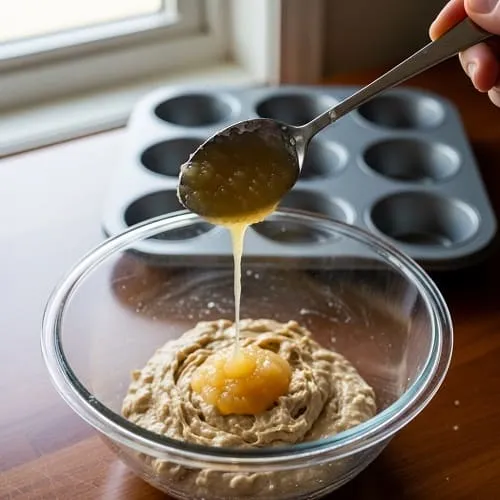
Applesauce (best for muffins, quick breads, snack cakes)
- Swap: replace up to half the butter with unsweetened applesauce (start with 50/50).
- Expect: softer, more cake-like texture; less crispness and less richness.
Greek yogurt (best for cakes and muffins; use off-white “tang” to your advantage)
- Swap: replace up to half the butter with Greek yogurt.
- Expect: tender crumb and slight tang (great with lemon, berries, chocolate).
Pumpkin or mashed banana
- Swap: replace up to half the butter in spiced bakes (pumpkin bread, banana bread).
- Expect: denser texture and a noticeable flavor change (not a bad thing when it matches the recipe).
Butter Substitutes by Baking Category (So You Choose the Right Tool)
Cookies (where butter matters most)
Cookies are the toughest place to substitute because butter controls spread, chew, crispness, and flavor.
- Best swap: vegan butter or stick margarine (1:1).
- For chewy cookies: try half butter substitute + half oil (if the recipe can handle it) for a softer center.
- Avoid: all applesauce—cookies often turn cakey and pale.
Cookie troubleshooting:
- Spreading too much? Chill dough 30–60 minutes; use stick-style fats; add 1–2 tbsp flour if needed.
- Too dry? Reduce bake time slightly; add 1 tbsp milk; don’t overmeasure flour.
Cakes (easy wins for oil)
Cakes and snack loaves are forgiving. Oil is often fantastic here.
- Best swap: oil (3/4 cup per 1 cup butter) or vegan butter (1:1).
- Texture note: oil-based cakes stay moist longer, which is great for make-ahead baking.
Muffins and quick breads
These are the best place for partial swaps with yogurt or applesauce.
- Best swap: oil or vegan butter, or replace half the butter with Greek yogurt.
- Flavor tip: add citrus zest or warm spices to keep the bake tasting “full.”
Brownies and bars
Brownies are more flexible than cookies. Oil often gives a fudgier texture.
- Best swap: oil (or half oil/half yogurt) depending on how fudgy you like them.
- Tip: don’t overbake—fat swaps can make brownies go from fudgy to dry if baked too long.
Pie crust and biscuits (fat structure matters)
For flaky doughs, solid fat that stays cold is your friend.
- Best swap: shortening (1:1) or half shortening/half vegan butter for better flavor.
- Avoid: oil in classic flaky pie crust—it tends to make a more crumbly, less layered crust.
Frosting
- Best swap: vegan butter (1:1) or shortening (stable but less flavor).
- Option: cream cheese frosting for tang and body (not dairy-free).
If You’re Also Missing Eggs (Common Baking Emergency)
Butter isn’t the only ingredient that causes panic. If you’re out of eggs or baking egg-free, the right substitute depends on the recipe (binding vs lift vs moisture). Use this internal guide for exact swaps: Egg substitute for baking.
Important note: when you replace both butter and eggs, expect more noticeable changes in texture. That doesn’t mean it will fail—it just means you’ll want the most reliable swaps (vegan butter + a proven egg substitute, not “whatever is in the fridge”).
My “Best Overall” Butter Substitute Picks (If You Want One Answer)
If I had to pick just a few dependable options:
- For cakes/muffins: neutral oil (moist, easy, consistent)
- For cookies: stick vegan butter or stick margarine (closest to butter’s behavior)
- For pie crust: shortening (flaky and stable)
- For dairy-free, most recipes: vegan butter sticks
Common Butter-Substitution Problems (And Fixes)
Problem: My cookies spread into thin puddles
- Use stick margarine/vegan butter (not tub spread).
- Chill dough before baking.
- Make sure your baking sheet isn’t hot from a previous batch.
Problem: My cake is dense
- If you used a purée swap, reduce it next time (try replacing only half the butter).
- Don’t overmix—especially once flour is added.
- Check your leavening (baking powder/soda freshness matters).
Problem: The bake tastes flat
- Add a pinch more salt (seriously).
- Use vanilla, citrus zest, cinnamon, or almond extract strategically.
- Brown your substitute fat when possible (brown butter flavor is hard to replace, but you can add toasted notes with vanilla and a little extra salt).
Two Trusted References (Worth Bookmarking)
Frequently Asked Questions
What is the best butter substitute for baking?
The best overall substitute depends on what you’re baking. For cakes and muffins, neutral oil is reliable and keeps texture moist. For cookies, stick vegan butter or stick margarine is usually closest to butter’s structure. For pie crust, shortening makes the flakiest layers.
Can I substitute oil for butter 1:1 in baking?
Not usually. A good starting point is using about 3/4 cup oil for every 1 cup butter. Oil is 100% fat while butter contains water, so a 1:1 swap can make some recipes greasy or too dense. Oil works best in cakes, muffins, and brownies rather than crisp cookies.
What butter substitute works best for cookies?
Stick-style vegan butter or stick margarine is typically the best cookie swap because it mimics butter’s solid-fat structure and helps control spread. Avoid tub spreads when possible, since they often contain more water and can cause thin, oily cookies.
How do I substitute coconut oil for butter in baking?
Use coconut oil in a 1:1 ratio for butter. Choose refined coconut oil if you don’t want coconut flavor. Use it melted for cakes and muffins, or solid (cold) for recipes that rely on cutting fat into flour, like crumb toppings.
Can I replace butter and eggs in the same recipe?
Yes, but you’ll notice bigger texture changes. Use reliable swaps: a baking-friendly vegan butter stick for the fat, and a proven egg substitute based on the recipe’s needs (binding vs lift). For specific egg swap options and ratios, follow this guide: Egg substitute for baking.
Conclusion: The Right Butter Substitute Depends on the Bake
When you’re choosing a butter substitute for baking, don’t just ask “What can replace butter?” Ask what the butter is doing—adding moisture, structure, flavor, or flakiness. Oil is your best friend for moist cakes and muffins, vegan butter sticks shine in cookies, and shortening is hard to beat for flaky crust. Start with the ratios in this guide, taste and adjust, and you’ll be surprised how often your “emergency swap” turns into your new normal.

Hi, I’m Emma! I’m a busy home cook who loves creating quick, delicious recipes that real people can actually make. At GICRA Kitchen, I share easy air fryer meals, high-protein recipes, and meal prep ideas that fit into your busy life. Welcome to my kitchen! About Emma Carter