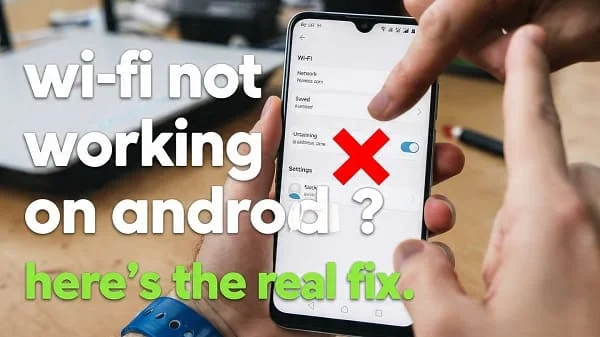

Searching for Android 15 Battery Drain: Quick Fixes? You’re in the right place. This education‑first guide gives you fast, safe steps to stop sudden drain after the Android 15 update, plus deeper diagnostics if a rogue app or setting is quietly burning power. We’ll cover battery stats triage, per‑app restrictions, Adaptive Battery, display and radio tweaks (including 5G vs LTE), charging and heat habits, advanced tools like Battery Historian, and a concise checklist you can run in ten minutes. Use this once to stabilize your phone; repeat monthly for a battery that feels new again.
Table of Contents
Two‑Minute Triage (Fix the Obvious First)
Before deep dives, stabilize the system and rule out temporary glitches:
- Reboot. A simple restart clears stuck jobs and wakelocks after an OS or app update.
- Charge to 80–90% on a cool surface. Heat multiplies drain; avoid thick fabric or direct sun while charging.
- Check quick toggles: Turn off hotspot, GPS if not needed, and Bluetooth/Wi‑Fi scanning extras. Disable tethering and high refresh rate temporarily.
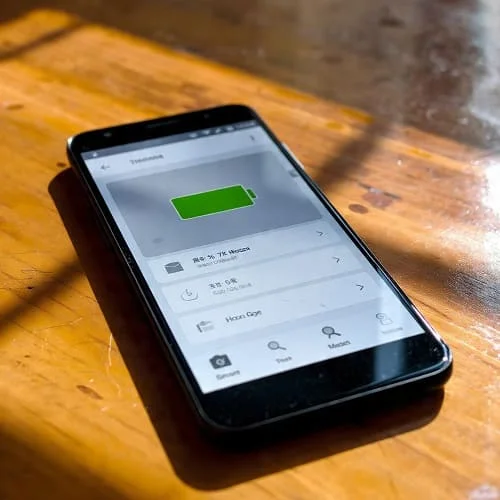
- Open Settings → Battery → Battery usage. Note top apps since “Last full charge.” Anything over 10–15% without you using it needs attention (see App‑Level Fixes).
What Changed in Android 15 (Why Some Phones Drain)
Android 15 tightens background behaviors and refines power management—great when apps comply, but any app or service not yet optimized can misbehave after the update. Key concepts:
- Doze and App Standby: Android reduces background activity when your phone is idle, and it applies “buckets” to deprioritize infrequently used apps. If an app fights these rules, it can keep the CPU awake. Learn how Doze/App Standby work: Android Developers: Doze & App Standby.
- Power management APIs: Good apps schedule background work responsibly (Jobs/WorkManager). Poorly coded apps loop or ping networks too often on Android 15. Overview here: Android Developers: Power Management.
- Per‑OEM layers: Some manufacturers add their own battery guards. After a major update, re‑check app auto‑start and background restriction pages—defaults sometimes reset.
Read Battery Stats Like a Pro
Settings → Battery → Battery usage is your compass. Use it to separate normal consumption from misbehavior.
- Since last full charge vs 24‑hour view: Use “Last full charge” for clear cause‑and‑effect. If you charged midday, note the shorter window.
- Screen vs Apps vs System: High Screen % is normal if you used the phone a lot. High Apps % from apps you barely touched is a red flag. System spikes often follow updates—reboot and let indexing finish.
- Per‑app details: Tap an app → restrict background activity, remove “Unrestricted” battery exemptions, and check its notifications/sync choices.
Tip: If “Android System” or “Google Play services” dominates for days, a stuck job or account sync is likely. See Updates & Resets below.
Optimize System Settings (High Impact)
These toggles deliver fast, visible wins on Android 15.
1) Adaptive Battery and Adaptive Connectivity
- Settings → Battery → Adaptive Battery: On. Android learns your usage and limits rarely used apps.
- Settings → Network & Internet → Adaptive Connectivity (name varies): Allows the system to prefer lower‑power radio states when high throughput isn’t needed.
2) Background Restrictions (Per App)
- Settings → Apps → [App] → Battery: choose Optimized or Restricted. Avoid “Unrestricted” unless you understand the cost.
- Settings → Apps → [App] → Mobile data & Wi‑Fi: disable “Allow data usage while Data saver is on” unless essential.
3) Location and Scanning
- Settings → Location → App permissions: set most apps to Allow only while using; deny for apps that don’t need location.
- Settings → Location (or System → Developer options on some OEMs): turn off Wi‑Fi scanning and Bluetooth scanning when not needed; these scan even when Wi‑Fi/Bluetooth are off.
4) Sync and Notifications
- Settings → Accounts: turn off auto‑sync for low‑value accounts, or extend sync intervals inside those apps.
- Per‑app notification channels: mute noisy background syncing (e.g., promotional or “recommendations”) that wake the device.
5) Refresh Rate and Always‑On Display
- Settings → Display → Smooth display / Refresh rate: use adaptive or step down to 60/90 Hz if you don’t need max fluidity.
- Settings → Lock screen → Always‑on display: use tap‑to‑show or a scheduled window to reduce night drain.
6) Data Saver and Battery Saver
- Settings → Network & Internet → Data Saver: On when traveling or roaming; reduces background network pings.
- Quick Settings → Battery Saver: On below 20–30% or on critical days; combine with a slightly lower refresh rate for big gains.
Radios and 5G: Smart Tweaks for Real Savings
Radios (cell, Wi‑Fi, GPS, Bluetooth) are top battery drivers. Good coverage = low power; poor coverage = drain. Tune your setup:
- Prefer Wi‑Fi at home/work; it’s usually more power‑efficient than marginal mobile data.
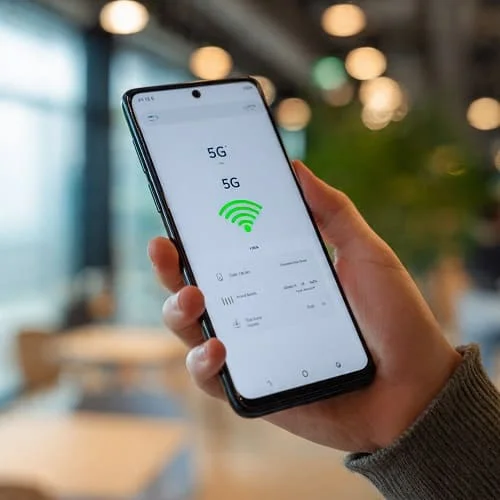
- 5G Auto vs LTE: In weak 5G areas, 5G radios can hunt and drain. Settings → Network → Preferred network type → choose 5G Auto or temporarily force LTE in poor coverage zones.
- VoLTE/Wi‑Fi Calling: Enable when offered; fewer fallbacks between radio stacks can save power.
If 5G itself is flaky or missing after updates, see this companion troubleshooting guide: 5G Not Working on Android: How to Fix.
Display, Audio, and Haptics: The Quiet Power Hogs
- Brightness: Auto is fine, but avoid max sliders. Outdoors, let auto‑boost do the work; indoors, pull it down.
- Wallpaper: Static/darker wallpapers on OLEDs can save a bit. Disable motion effects.
- Audio: Very high volume and spatial effects cost power. Use moderate levels or headphones for long listening.
- Haptics: Dial down vibration intensity and keyboard haptics if you type a lot.
App‑Level Fixes for Usual Suspects
Many drains come from a handful of apps. Here’s how to tame them without breaking features you love.
Social & Video
- Disable background autoplay and preloading on mobile data.
- Turn off “upload in background” for drafts you don’t need synced instantly.
- Mute promotional notification channels; they wake radios for no value.
Messaging
- Switch media auto‑download to Wi‑Fi only.
- If a chat app appears high in Battery usage, clear its cache and restrict background data temporarily.
Maps/Navigation
- Set Location to “While in use.” Turn off timeline/history unless you rely on it.
- Download offline maps for frequent routes; reduces mobile data pings.
Cloud & Email
- Extend sync intervals or use manual refresh for low‑priority accounts.
- Limit auto‑backup of large media folders to Wi‑Fi and charging.
Updates, Safe Mode, and Resets
- System update: Settings → System → Software update. Android 15 minor patches often fix post‑update drains.
- Google Play system update: Settings → Security & privacy → Updates. These quietly patch core modules.
- App updates: Open Play Store → Manage apps → Update all. Bad versions get hot‑fixed quickly.
- Safe Mode test: Long‑press power → touch‑and‑hold “Power off” → Safe Mode. If drain stops, a third‑party app is the cause. Reboot, then remove likely offenders.
- Reset network settings: Fixes stuck radios after OTAs that cause drain (backs up Wi‑Fi/Bluetooth lists first).
- Wipe cache partition (device‑specific): Some OEMs allow a non‑destructive cache wipe via recovery.
- Factory reset (last resort): Back up first. Drains that persist after all steps often vanish on a clean 15 install.
Charging, Heat, and Battery Health
Power management isn’t just software. Lithium‑ion prefers cool, moderate states of charge. Practical rules:
- Aim for 20–80% day‑to‑day. Full charges are fine occasionally; avoid leaving it at 100% on a hot surface.
- Use certified USB‑C PD chargers and short cables. Cheap bricks run hot and waste energy.
- Wireless charging: Great for convenience, but it runs warmer. Remove thick/metal cases on slow pads.
- Heat is the enemy. Avoid hot dashboards and gaming while charging. If it’s too hot to touch, pause charge/gaming.
Deep dive on lithium‑ion care: Battery University: Prolong Li‑ion.
Advanced Diagnostics (Battery Historian & adb)
If the drain persists, capture objective data. You don’t need root.
- Enable Developer options: Settings → About phone → tap Build number 7 times.
- Install adb on your PC (Android Platform Tools).
- Collect a bugreport after a drain cycle:
adb bugreport bugreport.zipAnalyze with Battery Historian: Android: Battery Historian. - Look for: apps waking the device repeatedly (wakelocks), network spikes while screen is off, GPS spikes from “in background.”
More on power management concepts and APIs: Android Developers: Power Management.
Travel/Workday Profiles (Preset Your Day)
Create repeatable “profiles” with Quick Settings tiles or Routines:
- Commute: LTE/5G Auto, Wi‑Fi off, Data Saver on, Brightness 60–70%, Battery Saver on at 25%.
- Office/Home: Wi‑Fi on, Bluetooth on (watch/earbuds), 90/120 Hz if plugged in, AOD scheduled.
- Travel day: LTE preferred in weak 5G regions, location “while in use,” offline maps downloaded, power bank ready.
Battery Myths vs Facts
- Myth: You must fully discharge monthly. Fact: Deep cycles add wear; partial charges are healthier.
- Myth: Closing all apps saves battery. Fact: Android manages memory; force‑closing can increase relaunch cost.
- Myth: Overnight charging kills batteries. Fact: Modern phones manage trickle; heat is the real risk—keep it cool.
- Myth: 5G always drains more. Fact: Strong 5G can be efficient; poor 5G hunts and drains. Use Auto/LTE strategically.
10‑Minute Checklist
- Reboot. Charge cool to 80–90%.
- Settings → Battery usage: note top offenders.
- Set Adaptive Battery on; remove “Unrestricted” for non‑essentials.
- Restrict background for any app over 10–15% you didn’t use.
- Location: “While in use” for most apps; disable Wi‑Fi/Bluetooth scanning.
- Prefer Wi‑Fi; set 5G to Auto or LTE in weak areas.
- Refresh rate adaptive or step down; AOD scheduled/tap‑to‑show.
- Update system, Play system, and apps.
- If still draining: Safe Mode test → identify/remove culprit.
- Persistent drains: capture bugreport → analyze with Battery Historian.
FAQs
My phone drains overnight on Android 15—screen off. Why? Common causes: a stuck sync (email/cloud), poor cell coverage, or an app with background location. Use Battery usage, restrict offenders, and try LTE overnight if 5G is weak.
Is Adaptive Battery safe? Yes. It learns your habits and limits rarely used apps; restore to “Optimized” per app if you miss a notification.
Do app cleans/killers help? Usually not. They can fight Android’s scheduler and increase relaunch cost. Use native restrictions instead.
How long until Android 15 settles? After a major update, expect a day of indexing. If drain persists beyond 48 hours, act.
Can widgets and live wallpapers drain? Yes—if they update often or render constantly. Test by removing them for a day.
When to Service or Replace the Battery
- Battery health (if your OEM shows it) below ~80% typically warrants replacement for heavy users.
- Unexpected shutdowns at 20–40% or swelling/heat = service immediately.
- Large drains even in Safe Mode after a clean reset → likely hardware/battery aging; contact support.
Helpful References
- Android Developers: Power Management Overview
- Android Developers: Doze & App Standby
- Android Developers: Battery Historian Setup
- Google Support: Fix battery drain problems
- Battery University: Prolong Lithium‑ion
Verdict
Android 15 Battery Drain: Quick Fixes isn’t just a slogan—follow the triage, flip a handful of high‑impact toggles, restrict misbehaving apps, and your phone will feel calm again. Prefer Wi‑Fi, use 5G Auto or LTE where coverage is weak, keep charging cool, and let Adaptive Battery do its job. When things get weird, Safe Mode and Battery Historian give you the truth. Run the 10‑minute checklist today; repeat after big updates or new app installs. Your battery—and your nerves—will thank you.

About the Author
Alex Carter — Founder & Editor‑in‑Chief, GicraMobile
Alex leads GicraMobile’s testing lab and reviews. His methodology focuses on day‑to‑day performance, battery health and thermals, camera consistency, and 5G/LTE reliability—so you can pick the right phone without hype.
Real‑world testing: 90–120 Hz smoothness, idle drain, thermals
Camera checks: HDR, skin tones, low‑light stabilization
Connectivity: band fit, eSIM, VoLTE/VoWiFi, Wi‑Fi performance
You may also like this