
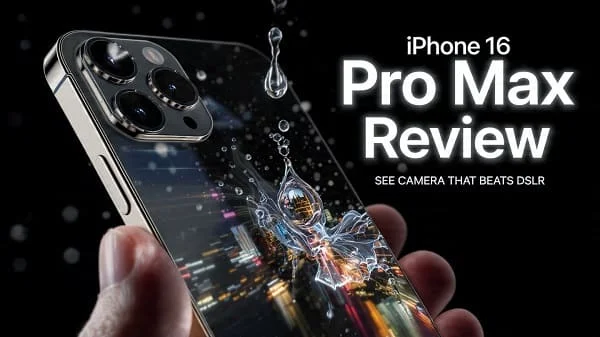
Welcome to our in‑depth iPhone 16 Pro Max Review. If you’re weighing an upgrade or choosing between the 16 Pro Max and its smaller sibling, this education‑first review focuses on what matters in daily use: display readability, camera consistency, battery endurance, heat and throttling behavior, connectivity, and long‑term software value. We also include setup tips, buying advice, and a quick comparison with the 15 Pro Max and 16 Pro. Throughout the iPhone 16 Pro Max Review we stick to practical takeaways, not spec hype, with links to official Apple resources for reference.
Table of Contents
Design, materials, and ergonomics
The iPhone 16 Pro Max keeps the premium, lightweight titanium chassis introduced on the 15 Pro line, with Apple’s refinements giving it a more balanced, less slippery in‑hand feel. The flat sides remain, which helps grip despite the large footprint. The Action button returns, and—on supported models—the dedicated Capture button makes quick photo/video start a delight. It’s the sort of small control that subtly changes how often you pull the phone out to shoot.
The frame resists fingerprints better than polished steel from older generations, and the rounded glass edges help when swiping gestures. As ever, the Pro Max is big; if you prefer single‑hand reach or smaller pockets, the 16 Pro might be a better fit. For durability, Apple’s ceramic shield front and improved back glass feel robust, though a case is still smart—especially with the camera island sitting proud.
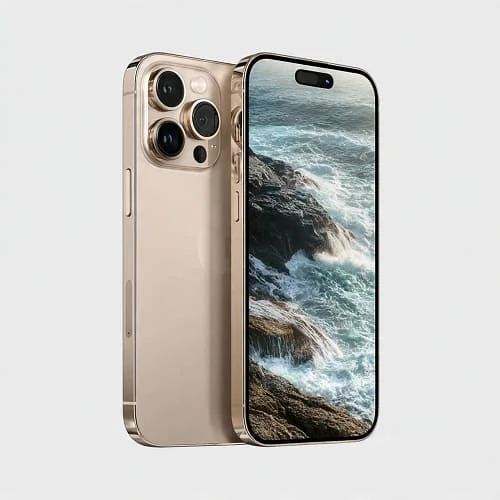
- Materials: titanium frame, ceramic shield glass.
- Buttons: Action and Capture (region and model dependent).
- Ingress protection: water and dust resistance as per Apple’s specs.
- Finish: brushed look hides fingerprints better than glossy steel.
For official design and durability notes, see Apple’s product page: iPhone 16 Pro.
Display quality and outdoor readability
The 16 Pro Max’s OLED panel is all about consistency: bright outdoors, color‑accurate in photos and video, and comfortably smooth. High peak brightness makes maps and messaging readable in direct sun, while the adaptive refresh rate keeps scrolling fluid without burning battery unnecessarily. Apple’s color management remains a strong point—photos you edit on the phone translate predictably to other calibrated screens.
PWM flicker comfort depends on your sensitivity; most users find Apple’s recent panels comfortable, but if you’re sensitive, test reduced brightness in a store before buying. True Tone can be left on for reading comfort; switch it off when color‑critical editing.
- Excellent outdoor visibility with auto‑brightness.
- Color accuracy benefits photo/video review.
- Adaptive refresh keeps UI smooth and responsive.
Performance, thermals, and storage
Apple’s A‑series Pro chips continue to prioritize responsiveness. App launches are snappy, camera opens quickly, and sustained workloads (video editing, image processing, AI features) feel progressive rather than bursty—important for creative users. Thermal behavior has improved generation over generation: the phone does warm up under long 4K capture or graphically heavy gaming, but recovery is quick when you step back to lighter tasks.
Storage speed is fast enough for Pro workflows, especially paired with USB‑C for external drives. Creators can offload large ProRes videos directly to SSDs, a tangible upgrade from older Lightning‑based iPhones.
- Near‑instant app response; minimal hitching in everyday use.
- Thermals: better sustained performance versus older models; heat shows under long 4K/60 and heavy gaming sessions, but throttling is predictable.
- USB‑C external storage support helps with large media projects.
Cameras: photos and video
Apple’s camera approach focuses on consistent color and reliable skin tones. The 16 Pro Max continues that tradition, with a main sensor that captures crisp, balanced 24 MP default photos (combining detail and reasonable file size) and a longer telephoto that gives you cleaner reach in daylight than the standard 2–3× crops. Night mode has matured—faces are less waxy, and exposure decisions feel more natural across mixed light.
Video remains a Pro Max strength: stabilization is steady, autofocus is confident, and the phone handles complex motion without weird warbling. ProRes options widen grading latitude; if you don’t grade, standard HDR video still pops on compatible screens.
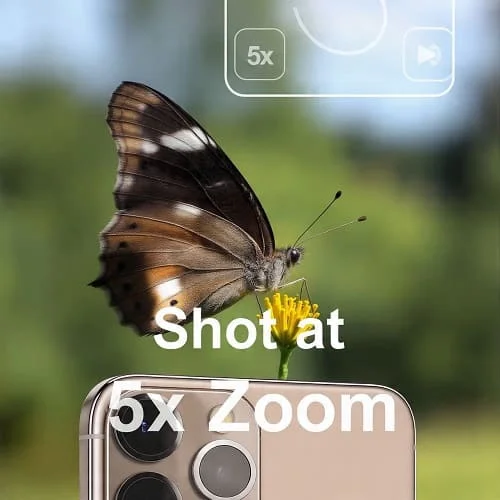
Photo takeaways
- Realistic color with stable white balance; fewer extremes in contrast than some rivals.
- Telephoto reach adds compositional flexibility; portraits benefit from the extra working distance.
- Low‑light: less smoothing, better texture retention—hold steady or use the Capture button for minimal shake.
Video takeaways
- Rock‑solid stabilization for handheld walking shots.
- ProRes and Log options (on supported configurations) for advanced grading and external recording via USB‑C.
- Reliable continuous autofocus; clean audio with decent wind handling for on‑the‑go clips.
Learn more about Pro workflows from Apple’s docs:
– Record ProRes video on iPhone
– About Apple ProRAW
Battery life and charging behavior
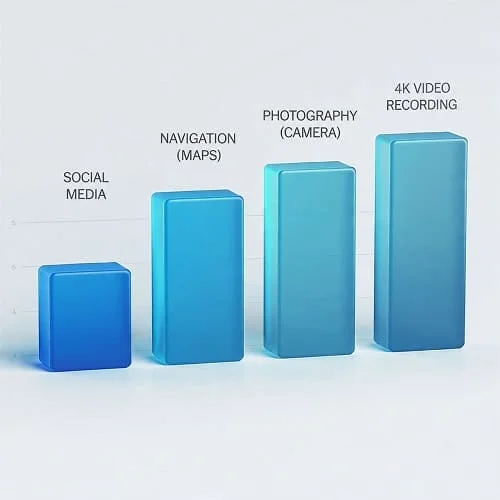
The 16 Pro Max’s large cell and efficient silicon make it a comfortable all‑day phone—even for power users mixing navigation, camera, social, messaging, and streaming. Wireless charging remains convenient for desks, and USB‑C fast charging is handy for quick top‑ups—especially if you avoid stacking charging with heavy use (gaming or 4K video).
To keep temperatures down and long‑term capacity healthy, enable Optimized Battery Charging and favor partial top‑ups when convenient. Apple’s battery guidance is still the most practical resource for long‑term care: Maximizing Battery Performance.
- Excellent standby drain control; overnight losses are minimal with background smartening.
- Wireless and MagSafe remain convenient; USB‑C is fastest for meaningful top‑ups.
- Heat management is sensible; performance steps down gradually rather than abruptly.
Connectivity: 5G, Wi‑Fi, USB‑C, eSIM
In everyday use the modem feels more efficient than older generations—fewer heat spikes in weak coverage zones and smoother hand‑offs. Wi‑Fi is robust, and USB‑C changes everything for external drives and pro audio/video accessories. eSIM support simplifies travel: install a data eSIM for trips while keeping your main number active.
- 5G sub‑6 everywhere; mmWave in supported regions/carriers.
- Fast Wi‑Fi on modern routers; low latency improves streaming and cloud gaming.
- USB‑C with high‑speed data for cameras, SSDs, and capture cards.
- Dual eSIM support (region dependent) for travel convenience.
For a broad overview of iOS networking settings and 5G options, see Apple’s guide: What’s new in iOS.
iOS features, Apple Intelligence, updates
The iPhone 16 Pro Max ships with an iOS build tuned for on‑device intelligence features on supported languages and regions. Beyond headline AI tools, the day‑to‑day wins are smaller but meaningful: better autocorrect and dictation, smarter search, and context‑aware features that reduce taps. Apple’s privacy posture keeps sensitive processing on‑device where possible, handing off to secure cloud paths when necessary with explicit user consent.
Apple’s track record for long update support remains a strong reason to choose a Pro Max. That means security patches, feature drops, and compatibility that extends resale value. For the official overview of features and privacy approach, consult Apple’s iOS page: iOS at Apple.
Gaming and creator workflows
On the gaming side, you’ll see smooth 60 fps experiences in popular titles, with higher frame‑rate modes available in supported games. Thermals are managed conservatively: after long sessions the phone warms, but it steps down performance gracefully rather than dipping erratically. Pairing a clip‑on controller and a desk fan makes marathon sessions more comfortable.
Creators benefit most from USB‑C external storage and the telephoto reach for variety in b‑roll. ProRes over USB‑C lets you capture higher bitrates without filling internal storage. If you edit on a laptop, offloading to an SSD immediately after a shoot keeps the phone responsive for messaging and navigation.
iPhone 16 Pro Max vs 16 Pro vs 15 Pro Max
| Model | Size & feel | Display | Cameras | Performance & thermals | Battery | Who should pick it? |
|---|---|---|---|---|---|---|
| 16 Pro Max | Largest; best battery; two‑hand device for most | Bright OLED; adaptive refresh; best outdoor readability | Main + longer telephoto for clean 4–5× shots | Strong sustained workloads; quick recovery | All‑day heavy use; top endurance | Power users, creators, travelers who need reach |
| 16 Pro | More manageable size; lighter | Same visual quality, smaller canvas | Similar main/ultrawide; shorter tele reach | Near‑identical in daily feel | Excellent day‑long battery for most | One‑hand priority, wants Pro features in smaller body |
| 15 Pro Max | Similar size; first‑gen titanium | Excellent OLED; slightly older tuning | Great 5×; fewer software refinements than 16 line | Strong, but less efficient under heavy loads | Very good battery; a value if discounted | Bargain hunters if a deep discount appears |
Considering the smaller Pro? Check our sibling review for nuance: iPhone 16 Pro Review.
Who should buy the 16 Pro Max?
- Mobile photographers who want dependable color and a longer, more natural telephoto for portraits and travel.
- Video creators needing ProRes options, stable AF, and external SSD workflows over USB‑C.
- Road warriors who value big battery, strong modem efficiency, and robust GPS performance.
- Long‑term owners who keep phones 3–4 years and want the best update runway and resale value.
If you mostly scroll social feeds, message, and take the occasional photo, the 16 Pro (non‑Max) likely hits a better balance of comfort and price.
Setup and optimization tips
- Update first: Install the latest iOS version before restoring apps; stability improves and background indexing completes faster.
- Transfer safely: Use Quick Start on Wi‑Fi or a USB‑C cable for faster, more reliable transfers.
- Tune display: Enable True Tone for reading; disable for color‑critical tasks; use Dark Mode to ease night use.
- Camera defaults: Set your preferred default format (HEIF/ProRAW) and video frame rates in Settings > Camera.
- Battery care: Turn on Optimized Battery Charging and avoid heavy workloads while charging to reduce heat.
- eSIM for travel: Add a travel eSIM ahead of time; enable when you land to avoid roaming surprises.
For camera and media settings details, Apple’s guides are reliable starting points:
– Apple ProRAW overview
– Record ProRes video
FAQs
Is the 16 Pro Max too big for one‑hand use?
For most people, yes. You can reach the top with accessibility gestures, but it’s a two‑hand device for quick camera access and typing. If reachability matters, try the 16 Pro.
Does the longer telephoto make a real difference?
Absolutely in daylight. It lets you frame from farther away with cleaner detail. Indoors or low light, the phone often blends exposures to keep noise down.
How’s overheating?
Under sustained 4K/60 or long gaming sessions, the phone warms—expected for thin devices. It recovers fast, and throttling is gradual. Avoid stacking heavy tasks while charging to reduce heat.
Can I record directly to an SSD?
Yes, via USB‑C on supported formats and bitrates. Use a fast drive and quality cable. Apple’s product page lists supported standards: iPhone 16 Pro.
How many years of updates?
Apple doesn’t promise a fixed number, but historical support has been long. Expect multiple years of feature updates and security patches, extending resale value.
Verdict
The iPhone 16 Pro Max is the iPhone for people who actually stretch their phones: travelers, parents chasing kids across a field at 5×, videographers who want ProRes without the friction, and anyone who values battery that keeps going after a long day. Its display is readable in sun, color is trustworthy, and performance is steady rather than spiky. If you want the most iPhone you can carry—and don’t mind the size—the 16 Pro Max is the clear pick. If your priority is comfort, the 16 Pro brings most of the experience in a friendlier footprint.
- Pros: Outstanding display clarity; reliable color and AF; long battery life; USB‑C pro workflows; long update runway.
- Cons: Big and two‑handed; premium price; warms under prolonged 4K or gaming; accessories add up.
References and further reading:
- Apple — iPhone 16 Pro
- Apple — iOS 18 overview
- Apple Support — Record ProRes video
- Apple Support — About Apple ProRAW
- Apple — Maximizing Battery Performance

Hi, I’m Emma! I’m a busy home cook who loves creating quick, delicious recipes that real people can actually make. At GICRA Kitchen, I share easy air fryer meals, high-protein recipes, and meal prep ideas that fit into your busy life. Welcome to my kitchen! About Emma Carter