
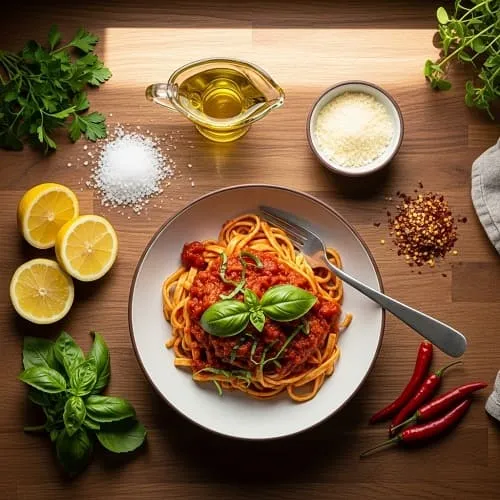
To make food taste better, focus on five levers: season in layers with salt, brighten with acid (lemon/vinegar), add richness with fat (butter/olive oil), build depth with browning and aromatics, and finish with fresh texture (herbs/crunch). Taste as you go and adjust in small steps—most “bland” food is just unbalanced.
Table of Contents
How to Make Food Taste Better (Without Fancy Ingredients)
If you’ve ever followed a recipe exactly and still ended up thinking, “Why is this… fine, but not good?”—welcome. That’s one of the most common home-cooking frustrations, and it usually has nothing to do with your skill level. It’s almost always about balance.
Restaurant food tastes bold and “complete” because chefs constantly adjust: a pinch of salt here, a squeeze of lemon there, a bit more time to brown, a drizzle of fat to finish. The good news is you can do the same thing at home—without buying expensive ingredients or learning complicated techniques.
This guide will teach you exactly how to make food taste better using practical, repeatable moves you can apply to nearly any dish: soups, chicken, vegetables, pasta, rice, eggs—everything.
The Flavor Map: The 5 Things That Make Food Taste “Complete”
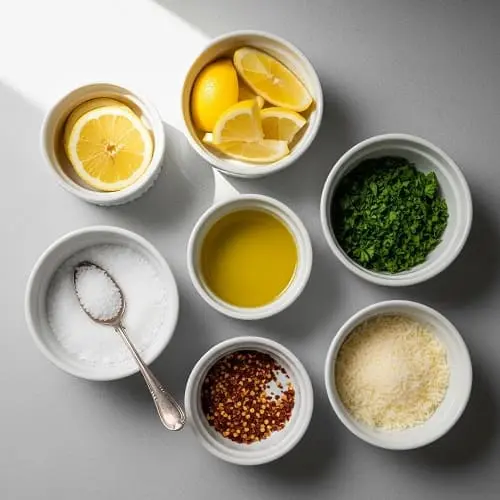
When a dish tastes flat, you’re usually missing one (or more) of these:
- Salt (brings out flavor already there)
- Acid (adds brightness and contrast)
- Fat (adds richness and carries aroma)
- Heat + browning (adds depth and savory complexity)
- Freshness + texture (makes food feel alive, not heavy)
Keep this list in your head and you’ll be able to troubleshoot almost anything.
A Quick Rescue: The “2-2-2 Rule” for Food
You’ll see different versions of this online, but here’s the simple, kitchen-real version I use when something tastes dull.
The 2-2-2 rule: adjust in small steps—2 pinches of salt, 2 teaspoons (or a drizzle) of fat, and 2 squeezes (or a splash) of acid. Stir, taste, and repeat only if needed.
- Salt makes flavors clearer.
- Fat makes flavors rounder and more satisfying.
- Acid makes flavors pop.
Important: This isn’t a strict measurement system—it’s a reminder to adjust gradually, taste often, and aim for balance instead of dumping in “more seasoning” blindly.
1) Salt in Layers (Not Just at the End)
Salt is the difference between food that tastes like ingredients and food that tastes like a dish. But it works best when it’s added throughout cooking.
How to season in layers
- Before cooking: salt meat, chicken, fish, tofu, even mushrooms. (A short rest helps it absorb.)
- During cooking: season onions and vegetables as they soften—this builds flavor early.
- Before serving: taste and adjust. A final pinch often brings everything into focus.
What kind of salt should you use?
- Kosher salt: easiest to pinch and control for everyday cooking.
- Fine salt: dissolves quickly; be careful because it’s easy to overdo.
- Flaky salt: best as a finishing touch for texture (think salads, roasted veggies, eggs).
If you want a broader set of foundational skills that support better flavor (heat control, browning, sauces), this guide is a strong companion: Cooking Tips and Tricks: 35 Easy Pro Moves.
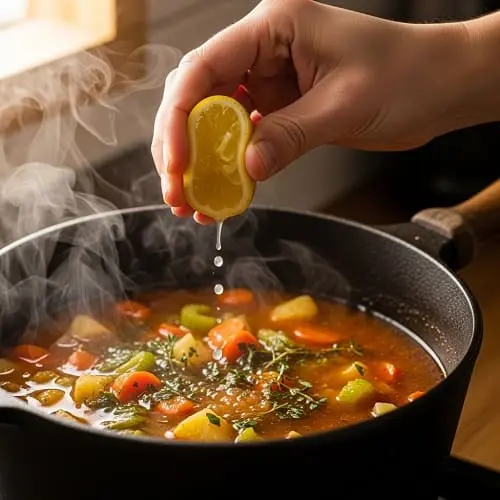
2) Add Acid at the End (That’s the “Restaurant Trick”)
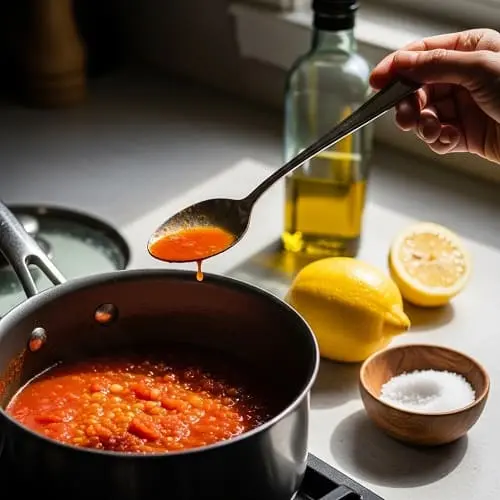
Acid is what makes food taste bright instead of heavy. If you’ve ever eaten something and felt like it needed “something” but you couldn’t name it—there’s a good chance it needed acid.
Easy acids to keep on hand
- Lemons and limes
- Vinegars (apple cider, red wine, rice, balsamic)
- Pickle brine or pepperoncini brine (yes, really)
- Tomatoes (fresh, canned, or a spoonful of tomato paste cooked down)
How to use acid without making food taste sour
- Add a small splash, stir, taste, and stop when the dish tastes “awake.”
- Add acid at the end for maximum brightness.
- If you overshoot, balance with a touch of fat or a little sweetness.
3) Don’t Fear Fat—Use It on Purpose
Fat carries flavor and aroma. That’s why a drizzle of olive oil or a pat of butter can make a dish taste more “finished.” The key is using fat strategically, not just adding more oil while cooking.
Smart ways to add richness
- Finish with: extra-virgin olive oil, butter, sesame oil, chili oil
- Stir in: Greek yogurt (off heat), sour cream, pesto
- Use as a base: sauté aromatics in a little oil or butter to start building flavor
If your food tastes greasy
- Add acid (lemon/vinegar) to cut richness.
- Add something fresh and crunchy (herbs, cabbage slaw, cucumbers).
- In soups or sauces, skim excess fat or chill and remove the solid layer.
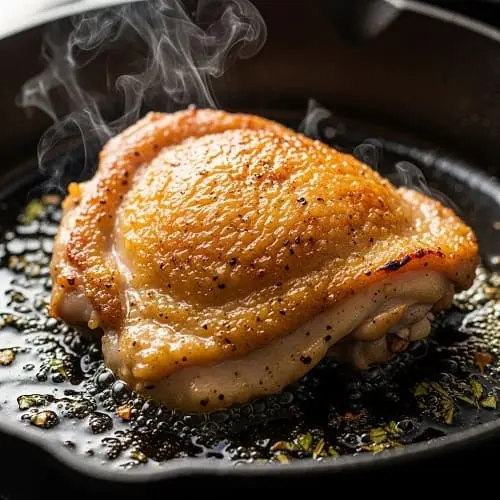
4) Brown Your Food (Because Browning Is Flavor)
One of the fastest ways to make home cooking taste better is to get comfortable with browning—searing meats, roasting vegetables, and letting onions actually turn golden.
Browning creates deep, savory complexity (often called the Maillard reaction), and it’s the backbone of “why does this taste so good?”
How to get better browning
- Preheat your pan (cold pan = sticking and steaming).
- Dry the surface of meat/veg (moisture prevents browning).
- Don’t overcrowd the pan (crowding = steaming).
- Leave it alone long enough to develop color.
For serious searing power, cast iron is a workhorse. If yours needs a refresh, here’s a helpful internal guide: How to season cast iron skillet.
5) Build a Flavor Base: Aromatics + Spices (Timing Matters)
Most great savory dishes start the same way: aromatics in fat. Onions, garlic, ginger, celery, scallions—this is where your “background flavor” comes from.
Aromatic timing tips
- Onions first: give them time to soften and sweeten.
- Garlic later: garlic burns fast; add it when onions are already soft.
- Tomato paste: cook it for 1–2 minutes until it darkens slightly for deeper flavor.
- Spices: bloom them in oil briefly to wake them up (cumin, paprika, chili flakes).
Small habit, big payoff: season your aromatics with a pinch of salt while they cook. It helps them release moisture and develop flavor early.
6) Add Umami (The “Savory Depth” Button)
Umami isn’t a mystery ingredient—it’s that savory, mouthwatering depth that makes food feel satisfying. You don’t need MSG to get it (though it can be useful); you just need ingredients that naturally contain glutamates.
Easy umami boosters
- Soy sauce or tamari (add a few drops, not a pour)
- Parmesan or Pecorino (even the rind simmered in soup)
- Tomato paste, sun-dried tomatoes
- Mushrooms (fresh or dried)
- Anchovies or fish sauce (a tiny amount melts into the background)
- Worcestershire sauce
Tip: Add umami in small amounts and taste. The goal is depth, not “I can identify the soy sauce.”
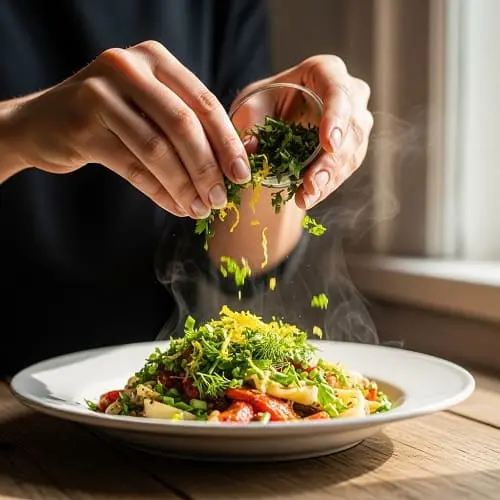
7) Use Fresh Finishers: Herbs, Zest, Crunch
Even perfectly seasoned food can feel heavy if everything is soft and warm. Fresh finishers add contrast—aroma, brightness, and texture.
My favorite finishers
- Herbs: parsley, cilantro, basil, dill, chives
- Citrus zest: lemon or lime zest for aroma without extra sourness
- Crunch: toasted nuts, crispy breadcrumbs, fried onions, tortilla strips
- Pickled things: pickled onions, jalapeños, capers
8) Taste Like a Cook: A Simple End-of-Cooking Checklist
Before you serve, take 15 seconds and run this checklist. It’s the most reliable way I know to make food taste better consistently.
- Salt: Does the flavor feel clear, or muted?
- Acid: Does it taste bright enough, or heavy?
- Fat: Does it feel satisfying and smooth, or thin?
- Heat: Does it need a little browning/roasting/toasting next time?
- Freshness: Would herbs, zest, or something crunchy help?
Most dishes don’t need a full makeover—they need one small adjustment from this list.
Quick Fixes for Common “Bland” Foods
Bland soup or chili
- Add a pinch of salt, then taste.
- Add acid: lemon juice or a splash of vinegar at the end.
- Add umami: a teaspoon of soy sauce or Worcestershire.
- Finish with herbs, yogurt, or a drizzle of olive oil.
Chicken that tastes boring
- Salt earlier next time (even 15 minutes helps).
- Get better browning (hotter pan, drier surface, don’t crowd).
- Add a sauce: pan sauce, salsa, pesto, or yogurt sauce.
Vegetables that taste “healthy” (in the bad way)
- Roast at 425°F and don’t overcrowd the pan.
- Finish with lemon, vinegar, or a sprinkle of cheese.
- Add texture: toasted nuts or crispy breadcrumbs.
Pasta that tastes flat
- Salt the pasta water well.
- Add a splash of pasta water to the sauce for cling and gloss.
- Finish with cheese, herbs, lemon zest, or chili flakes.
Rice that tastes like nothing
- Salt the cooking liquid.
- Toast rice in oil first for a nutty note.
- Finish with butter/olive oil + herbs + lemon.
When Taste Is Changed by Treatment: What Food Tastes Good on Chemo?
Taste changes during chemotherapy are real, frustrating, and incredibly personal. I’m not a clinician, but I’ve cooked for friends going through treatment, and the goal is usually: easy-to-eat, gentle, and flexible.
For medical guidance on taste changes, the most reliable starting point is the National Cancer Institute’s resource: NCI: Taste Changes.
Practical, food-first ideas many people tolerate better
- Cold or room-temp foods: smoothies, yogurt, chilled pasta salads (less smell = often easier).
- Tart + fresh flavors: citrus, berries, pickled veggies (if mouth isn’t sore and your care team agrees).
- Soft, comforting foods: oatmeal, soups, mashed potatoes, scrambled eggs.
- Protein with mild flavor: eggs, Greek yogurt, beans, chicken with gentle seasoning.
- Use plastic utensils if food tastes metallic (a surprisingly common tip).
Safety note: If someone is immunocompromised, follow their care team’s food safety guidance closely. When cooking proteins, use a thermometer and follow safe temperatures from a trusted source like the USDA: USDA Safe Minimum Internal Temperature Chart.
Frequently Asked Questions
How can I make my food taste more flavorful?
Season in layers with salt, add acid at the end (lemon or vinegar), and finish with a small amount of fat like olive oil or butter. Build depth by browning your ingredients and starting with aromatics (onion, garlic, spices). Finally, add freshness and texture with herbs, zest, or something crunchy.
What is the 2 2 2 rule for food?
A practical 2-2-2 rule is a quick way to rebalance bland food: add 2 pinches of salt, 2 teaspoons (or a drizzle) of fat, and 2 squeezes (or a splash) of acid, then taste. Repeat only if needed. It’s less about exact measurements and more about adjusting gradually.
What food tastes good on chemo?
Many people find cold or room-temperature foods easier (smoothies, yogurt, chilled salads), plus soft comfort foods like oatmeal and soups. Tart flavors (citrus, pickles) can help if tolerated. Because taste changes vary widely, start mild, experiment with small portions, and follow guidance from your care team and trusted resources like the National Cancer Institute.
How do restaurants make food taste so good?
They season in layers, use enough fat to carry flavor, balance richness with acid, and build depth through browning and reductions. They also taste constantly and finish dishes with fresh herbs, zest, or crunchy elements that add contrast.
How do I fix a dish that’s too salty?
Add more of the unsalted ingredients to dilute the salt (extra veggies, grains, broth without salt), then simmer to blend. A small amount of acid can help balance perception, and a touch of fat can soften harshness. Avoid adding lots of sugar—it can make the flavor muddy.

Hi, I’m Emma! I’m a busy home cook who loves creating quick, delicious recipes that real people can actually make. At GICRA Kitchen, I share easy air fryer meals, high-protein recipes, and meal prep ideas that fit into your busy life. Welcome to my kitchen! About Emma Carter