
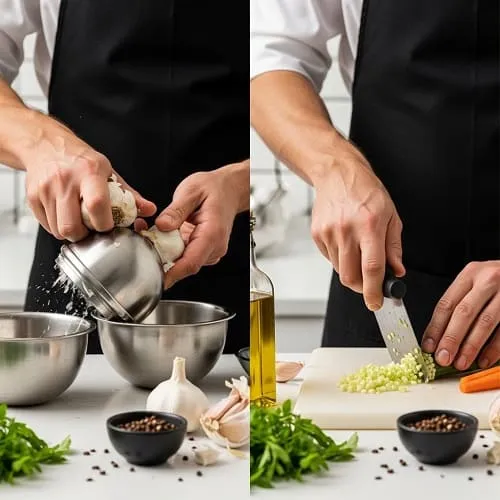
Cooking tips and tricks are the small, repeatable habits that make food taste better and cook more consistently—things like salting in layers, managing heat, tasting as you go, and using the right pan for the job. Master a handful of fundamentals and you’ll improve almost every recipe, even on busy weeknights.
Table of Contents
Cooking Tips and Tricks: The Real-Life Basics That Make Everything Taste Better
I’ve cooked in tiny apartments, busy family kitchens, and the kind of “everyone’s hungry right now” chaos that makes you question your life choices. And here’s the truth: great home cooking isn’t about fancy gadgets or rare ingredients. It’s about a few reliable techniques you can lean on—whether you’re making scrambled eggs, a pot of chili, or a weeknight chicken dinner.
This guide is my go-to collection of cooking tips and tricks I use constantly. Think of it as a friendly cheat sheet for better flavor, better texture, and fewer “why did this turn out weird?” moments. You’ll learn what actually matters (and what doesn’t), plus quick fixes when a dish is bland, dry, watery, or just not working.
Five Golden Rules of Cooking (The Ones I Actually Use)
If you only remember five things from this entire guide, make it these. They’re simple, they’re repeatable, and they’ll improve almost every meal you cook—no matter the recipe.
- Start with a plan, not a panic.
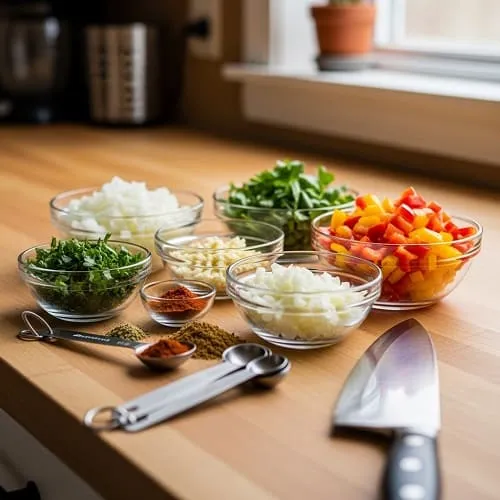
Read the recipe once, then set out what you need (even just mentally). This avoids missed steps, forgotten ingredients, and the classic “my onions burned while I searched for paprika” problem. - Control heat like it’s your job.
Most cooking disasters are heat problems in disguise: scorched garlic, rubbery eggs, steamed-not-seared meat. Match the heat to the goal—high for browning, medium for building flavor, low for gentle cooking. - Season in layers—don’t try to fix everything at the end.
Salt a little as you go: proteins before cooking, cooking water for pasta and grains, sauces as they reduce. Layering seasoning makes food taste “complete,” not just salty on the surface. - Taste early, then balance with salt + acid + fat.
Taste throughout cooking and adjust in small steps. If something feels flat, try a squeeze of lemon or a splash of vinegar. If it feels sharp, a touch of fat (olive oil, butter, yogurt) can smooth it out. For a deeper flavor roadmap, this pairs perfectly with: How to make food taste better. - Respect time: brown properly, rest meat, let things finish.
Great flavor often comes from patience—leaving food alone to brown, simmering long enough to concentrate, and resting meat so juices stay where they belong. Rushing usually costs you texture and flavor.
Once these five rules feel natural, the rest of the cooking tips and tricks in this guide will click faster—and you’ll be able to “save” a dish confidently when it’s not going your way.
The 80/20 Rule of Better Cooking
If you focus on just a few core skills, you’ll get the biggest payoff:
- Seasoning in layers (not just at the end)
- Heat control (hot when it should be hot, gentle when it should be gentle)
- Texture (crisp + creamy, tender + crunchy, sauce + brightness)
- Tasting early and often
Everything else—knife brands, trendy ingredients, complicated techniques—comes after that.
1) Salt Like You Mean It (But Do It Smart)
Salt isn’t just “salty.” It’s a flavor amplifier. The most common beginner mistake is under-salting during cooking and then trying to fix it with a huge sprinkle at the end. That usually tastes harsh and one-note.
How to salt in layers
- Season your protein before cooking (even 10–15 minutes helps).
- Salt your cooking water for pasta, potatoes, and grains.
- Taste the sauce before serving and adjust.
If you want a deeper, step-by-step flavor approach (salt, acid, fat, aromatics), this guide pairs perfectly: How to make food taste better.
2) Acid Is the “Secret Ingredient” in Restaurant Food
If your dish tastes heavy, flat, or “kind of boring,” you might not need more salt—you might need acid. A squeeze of lemon, a splash of vinegar, or even a spoon of pickled something can wake up an entire pot of food.
Easy acid pairings
- Roasted vegetables: lemon juice or balsamic at the end
- Soups and stews: a tiny splash of vinegar right before serving
- Rich foods: pickled onions, capers, or a quick slaw
Tip: Add acid at the end so it stays bright. If you cook it too long, it can mellow out or turn slightly bitter depending on the ingredient.
3) Control Heat, Don’t Chase It
Heat is your steering wheel. Too high and the outside burns before the inside cooks. Too low and you’ll steam everything into gray sadness. Good cooking is choosing the right heat level and sticking with it.
Quick heat rules
- High heat: searing meats, stir-fry, quick sauté
- Medium heat: most weeknight cooking, browning onions, pan sauces
- Low heat: eggs, gentle simmering, melting cheese without splitting
4) Preheat the Pan (Then Leave the Food Alone)
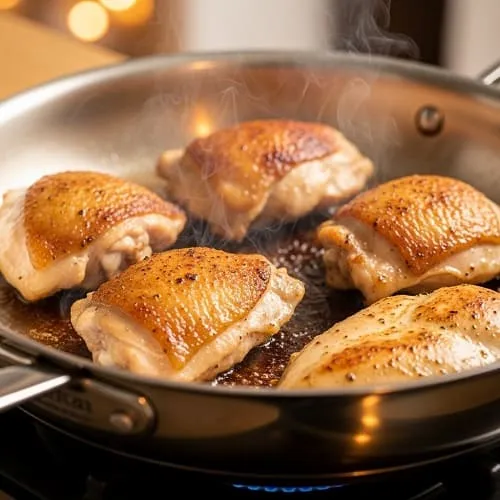
If you want browning, you need contact and time. This is especially true for proteins.
- Preheat your pan for a minute or two.
- Add oil, let it shimmer.
- Add the food and don’t move it right away.
When food sticks at first, it’s often telling you, “I’m not ready to flip.” Give it another minute and it will release naturally once it browns.
5) Use a Thermometer (It’s Not Cheating)
A thermometer removes the guesswork. It’s the fastest way to stop overcooking chicken, drying out pork, or serving undercooked burgers.
For trusted temperature guidance, use the USDA’s chart here: USDA Safe Minimum Internal Temperature Chart.
Temperature cheat sheet (quick reference)
| Food | Target Temp | Why it helps |
|---|---|---|
| Chicken (breasts, thighs, ground) | 165°F | Safe and juicy when you stop right on time |
| Ground beef | 160°F | Safer than guessing by color |
| Pork | 145°F + rest | Tender, not dry |
| Fish | 145°F | Flaky without turning chalky |
6) Rest Meat After Cooking (Yes, Even Chicken)
Resting is one of those unglamorous cooking tips and tricks that quietly changes everything. When meat rests, juices redistribute instead of running onto the cutting board.
- Small cuts: rest 3–5 minutes
- Steaks, pork chops: rest 5–10 minutes
- Roasts: rest 15–30 minutes
Bonus: Resting also gives you time to finish a salad, toast bread, or swirl together a quick sauce.
7) Learn One Sauce Move: Deglaze + Reduce
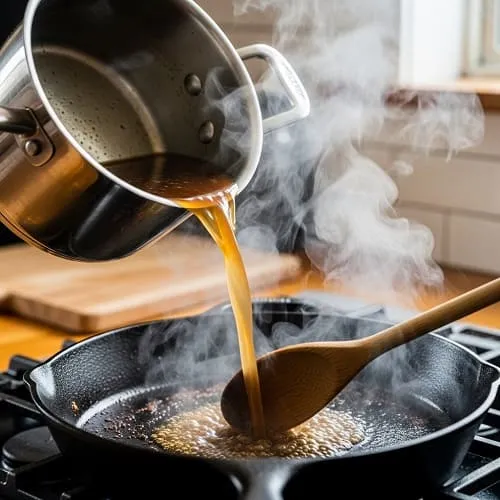
Those browned bits on the bottom of the pan (fond) are flavor gold. Don’t wash them down the drain.
Simple pan sauce method
- Cook protein, remove to a plate to rest.
- Lower heat to medium.
- Add a splash of broth, wine, or even water.
- Scrape up browned bits with a wooden spoon.
- Reduce until glossy; finish with butter, lemon, herbs, or mustard.
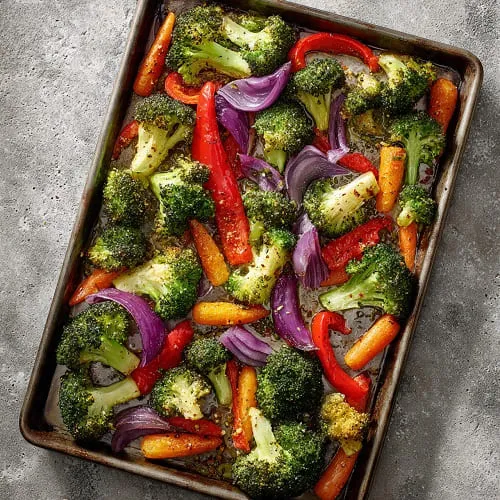
8) Roast Vegetables at High Heat for Real Flavor
If you’ve only had steamed veggies, roasting is going to feel like a glow-up. High heat caramelizes natural sugars and adds those browned edges that make vegetables taste satisfying.
My easy roasting blueprint
- Heat oven to 425°F
- Use a large sheet pan (crowding = steaming)
- Toss veggies with oil, salt, pepper
- Flip once halfway through
- Finish with acid (lemon/vinegar) or a sprinkle of cheese
9) Pasta Water Is Liquid Gold
If your pasta sauce doesn’t cling, feels greasy, or looks broken, pasta water can fix it. That cloudy water contains starch that helps emulsify sauce into something silky and cohesive.
- Salt pasta water generously.
- Before draining, save 1 cup pasta water.
- Add a splash to sauce and toss until glossy.
Tip: The sauce should coat the noodles, not sit at the bottom of the bowl like soup.
10) Rice and Grains: Let Them Rest
Rice gets blamed for being mushy or hard, but it’s usually a timing problem. Once the liquid is absorbed and the heat is off, let rice rest covered for 10 minutes. That steam finish is where fluffy texture happens.
Quick grain upgrades
- Toast grains briefly in oil before adding liquid for a nutty flavor.
- Season the cooking liquid (salt, bay leaf, garlic).
- Finish with butter or olive oil plus herbs or lemon.
11) Eggs Love Gentle Heat
Eggs are the fastest way to learn heat control because they go from perfect to overdone in about 30 seconds.
- Scrambled eggs: lower heat than you think, stir slowly, pull them early (carryover finishes them).
- Fried eggs: medium heat for crisp edges, lower heat for tender whites.
- Boiled eggs: chill immediately in ice water for easier peeling.
12) Knife Skills: The Goal Is Consistency, Not Speed
You don’t need to chop like a TV chef. You just need even pieces so everything cooks at the same rate.
- Use a sharp knife (dull knives slip and cause accidents).
- Stabilize your cutting board with a damp towel underneath.
- Cut ingredients to similar sizes when they cook together.
Shortcut: If your week is busy, buy pre-chopped onions or bagged slaw and put your energy into seasoning and technique. Great cooking is not a suffering contest.
13) Build Flavor Early: Aromatics First
Onions, garlic, scallions, ginger, celery, carrots—these aromatics lay down flavor before your main ingredients even hit the pan.
Common timing mistakes
- Garlic burns fast. Add it after onions soften, not at the beginning on high heat.
- Tomato paste needs cooking. Let it darken slightly for deeper flavor.
- Spices bloom in oil. Toast them briefly for a warmer, fuller taste.
14) Use Your Freezer Like a Second Pantry
This is one of my favorite “real life” cooking tips and tricks because it saves money and prevents last-minute takeout.
- Freeze chopped herbs in olive oil in an ice cube tray.
- Freeze leftover tomato paste in tablespoon portions.
- Freeze cooked grains in flat bags for fast weeknight meals.
- Keep frozen vegetables for emergency stir-fries and soups.
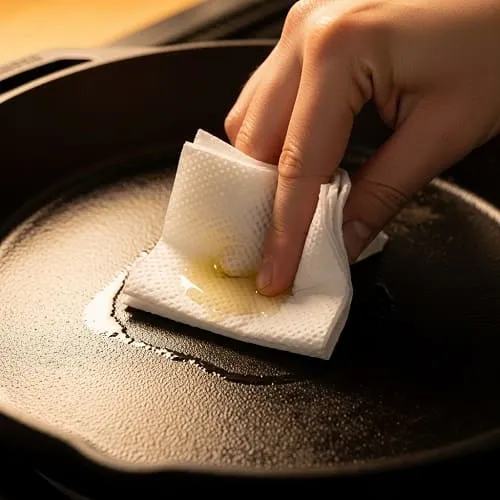
15) Cast Iron: Keep It Simple (And Don’t Be Scared of It)
Cast iron is fantastic for searing and oven-to-stovetop cooking, but people overcomplicate the care. The basics: keep it dry, keep it lightly oiled, and build seasoning over time.
If you want a clean, beginner-friendly walkthrough, use this internal guide: How to season cast iron skillet.
16) Food Safety Isn’t Optional (But It Can Be Easy)
Good cooks keep food safe without turning dinner into a science lab. Two habits matter most:
- Cool leftovers quickly (don’t leave food out for hours).
- Store and reheat smart so food stays safe and tastes good.
For reliable storage timelines, I reference FoodSafety.gov’s cold food storage charts.
17) Troubleshooting: Quick Fixes When Food Isn’t Working
This is the part you’ll come back to on a random Tuesday night.
If it tastes bland
- Add salt in small pinches, tasting each time.
- Add acid (lemon/vinegar).
- Add a fat finish (olive oil, butter, yogurt).
- Add something fresh (herbs, scallions, zest).
If it tastes too salty
- Add more of the main ingredients (bulk it up).
- Add unsalted broth/water and simmer to rebalance.
- Add acid (it doesn’t remove salt, but it can balance perception).
If meat is dry
- Slice thinly across the grain.
- Add a sauce (pan sauce, salsa, yogurt sauce).
- Next time: use a thermometer and rest the meat.
If vegetables are soggy
- Use higher heat.
- Don’t overcrowd the pan.
- Pat wet vegetables dry before roasting or sautéing.
18) A “Better Cooking” Grocery List (If You Want Results Fast)
You can cook great food with a small set of high-impact ingredients:
- Kosher salt (easy to pinch and control)
- Black pepper (fresh-ground if possible)
- Good olive oil (for finishing) + neutral oil (for high heat)
- Vinegars: apple cider, rice, or balsamic
- Mustard (instant sauce booster)
- Soy sauce or Worcestershire (umami)
- Lemons/limes
- Frozen vegetables for backup meals
With that pantry, you can make simple food taste intentionally seasoned—not accidental.
Frequently Asked Questions
What are the most important cooking tips and tricks for beginners?
Focus on seasoning in layers, tasting as you go, controlling heat, and learning one or two foundation techniques like roasting vegetables and making a quick pan sauce. A thermometer is also a game-changer for cooking meat and avoiding dry chicken.
How do I make food taste better without adding more salt?
Add acid (lemon juice or vinegar), use aromatics (garlic, onions, herbs), and finish with a small amount of fat like olive oil or butter. Texture helps too—something crunchy on top can make a dish feel more flavorful even without extra salt.
What’s the best way to keep a cast iron skillet nonstick?
Keep the seasoning intact by drying the skillet right after washing, applying a thin layer of oil, and heating it briefly to set. Avoid soaking it. For a full step-by-step seasoning method, follow the guide linked in the cast iron section above.
What’s the safest way to cool and store leftovers?
Get leftovers into the refrigerator quickly in shallow containers so they cool fast. Keep your fridge cold (40°F/4°C or below), and follow reliable storage timelines. When reheating, warm food thoroughly and don’t reheat the same container repeatedly throughout the week.

Hi, I’m Emma! I’m a busy home cook who loves creating quick, delicious recipes that real people can actually make. At GICRA Kitchen, I share easy air fryer meals, high-protein recipes, and meal prep ideas that fit into your busy life. Welcome to my kitchen! About Emma Carter