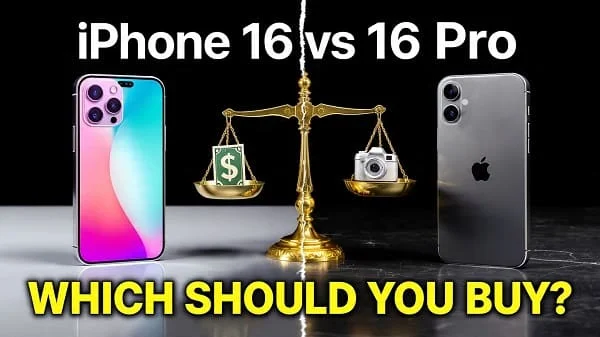
If you’re weighing iPhone 16 vs iPhone 16 Pro, this education‑first comparison focuses on what actually changes your day: in‑hand comfort, display behavior outdoors, camera flexibility in tough light, performance and thermals over long sessions, battery life you can trust, and whether Pro‑tier features justify the premium. We’ll translate specs into lived experience, give you a 10‑minute store checklist, and share practical setup and accessory tips. By the end, you’ll know exactly which model fits your routine—and why.
Table of Contents
iPhone 16 vs iPhone 16 Pro: At a Glance
The “standard” iPhone 16 aims to be a calm, dependable daily driver: great photos without tinkering, smooth performance, and a size that disappears in your pocket. The iPhone 16 Pro targets creators and power users: more flexible camera hardware and formats, faster wired workflows, and premium build materials.
| Area | iPhone 16 | iPhone 16 Pro | What It Means in Real Life |
|---|---|---|---|
| Frame & finish | Light, durable finish | Premium metal (e.g., titanium‑class) feel | Pro feels denser and more “tool‑like”; both are sturdy. |
| Display features | Accurate color, strong auto‑brightness | Pro‑level extras (e.g., higher refresh and tuning) | Pro looks/feels extra fluid; iPhone 16 is already excellent for reading/media. |
| Main cameras | Natural, reliable photos | More flexible stack (tele options, pro codecs) | Pro is better for zoom/video workflows; iPhone 16 nails everyday shots. |
| USB‑C data | Fast charging, consumer‑grade transfers | Typically higher wired data rates on Pro | Creators moving ProRes/RAW benefit more on Pro. |
| Battery behavior | All‑day with sane settings | All‑day, optimized for heavy mixed use | Both last; Pro may sustain heavy camera/game use a bit better. |
| Price | Lower | Higher | Decide if Pro features save you time or enable your work. |
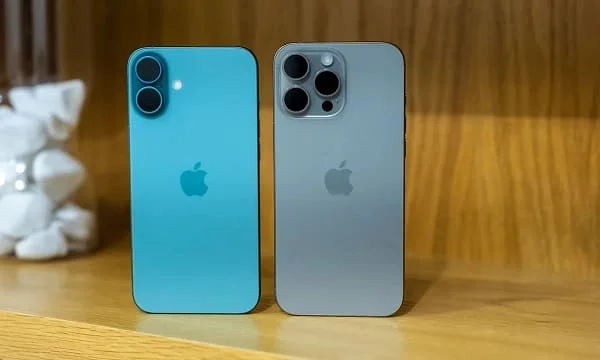
Design, Materials, and In‑Hand Comfort
Apple’s micro‑geometry work—edge radii, button placement, back texture—defines how these devices feel after hour three, not just minute three. The iPhone 16 focuses on a balanced, approachable shape. The 16 Pro leans denser and more precise: tighter tolerances, premium frame feel, and subtler colorways geared for pro‑leaning buyers.
- Grip and fatigue: If your hands are smaller, the standard iPhone 16’s lighter frame is easier to manage all day. Pro’s finish adds perceived solidity, which some users prefer.
- Wobble on desks: Both keep the camera island tidy. A case with a gentle ramp minimizes wobble and protects lenses.
- Water/dust: Both carry practical resistance for rain, workouts, and kitchen splashes. Avoid salt‑water immersion and keep ports lint‑free.
Display Quality, Brightness, and Eye Comfort
Both displays deliver Apple’s signature color accuracy and crisp text. Where the Pro usually pulls ahead is in premium extras—think higher refresh behavior and advanced calibration headroom. But don’t underestimate the base iPhone 16: for books, news, messaging, maps, and casual video, it’s delightful.
- Outdoors: Aggressive auto‑brightness boosts on both keep screens legible in noon sun. Test in storefront lighting to judge reflections.
- Comfort: True Tone + Night Shift reduce harshness in varied lighting. If you’re flicker‑sensitive, try mid‑brightness in a dim aisle.
- Productivity: On the 16 Pro, smoother scrolling and UI animations feel extra fluid. On the 16, text rendering and color remain standouts.
Performance, Thermals, and On‑Device Intelligence
Both iPhone 16 and iPhone 16 Pro are extremely quick; you’ll rarely “wait on the phone.” The difference appears under sustained load—long 4K video, 3D gaming bursts, or heavy multitasking—where Pro‑class chips, cooling, and I/O optimizations aim to hold peak longer with calmer heat. On‑device intelligence (Neural Engine tasks like speech, subject isolation, and scene understanding) feels instant on both, which is the “invisible” daily win.
Cameras: Photo Philosophy and What Changes on Pro
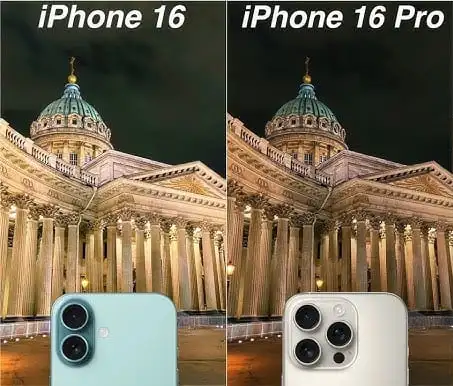
Apple’s baseline philosophy is consistent across both: natural color, excellent skin tones, highlight control, and HDR that avoids cartoon edges. The iPhone 16 takes reliably lovely photos with minimal effort. The 16 Pro adds more tools and flexibility: better telephoto options, pro‑leaning formats, and deeper manual controls for those who want them.
- Everyday shooting: On both phones, the main camera is your best friend. Step back and use 2× framing for flattering portraits; keep elbows close and tap to expose for faces.
- Low light: Stabilize on a railing or shelf. Night processing stays clean rather than overly bright. Pro’s stack may hold finer detail in complex scenes.
- Consistency: Color matching between ultra‑wide and main is strong on both; Pro tends to keep consistency across more focal lengths.
For a neutral sense of camera trade‑offs across many phones, DXOMARK’s database is a useful reference: DXOMARK Smartphones.
Video Features: Everyday Clips vs Creator Workflows
Video is an Apple calling card: stable exposure, excellent stabilization, and clean audio pickup. The iPhone 16 is plenty for family clips, travel logs, and social media. If you want pro‑stack features—advanced codecs, Log/ProRes options, external SSD recording, and finer manual controls—the iPhone 16 Pro is the right tool. The payoff is smoother color grading, better highlight handling, and longer sustained quality before heat or storage become a bottleneck.
- Everyday settings: 4K30 looks great with minimal heat. For action, 1080p60 reduces rolling shutter and keeps temps calm.
- Mic tips: A compact USB‑C mic improves dialogue outdoors. Monitor levels and avoid flapping clothing near the mic ports.
Battery Life, Charging, and MagSafe/Qi2
Both phones are tuned for all‑day use. The Pro may sustain heavy camera sessions longer before throttling. Your real‑world result depends most on display brightness, camera/video time, and navigation habits.
- Optimized Battery Charging: Enable it to reduce wear; Apple explains best practices here: iPhone Battery and Performance.
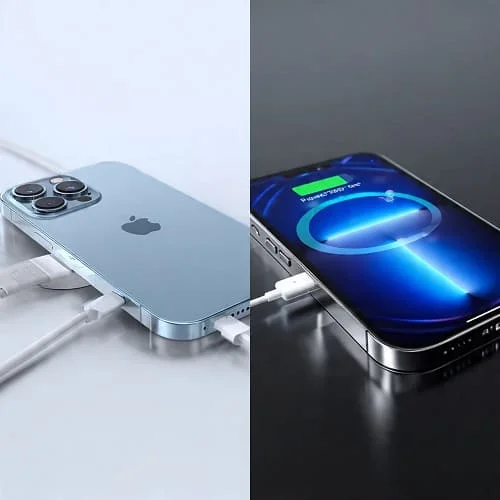
- USB‑C: Fast, reliable wired charging and quick offloads to drives. Learn iPhone USB‑C capabilities: About the USB‑C connector on iPhone.
- Magnetic wireless (MagSafe/Qi2): Centered magnets improve charge consistency and car‑mount grip. Apple’s overview is helpful: About MagSafe chargers for iPhone.
Connectivity, Storage, and I/O Differences
Cellular and Wi‑Fi performance are excellent on both lines, with reliable hand‑offs and steady data. Bluetooth stays locked for watches, earbuds, and trackers. Where Pro distinguishes itself is wired data rates and creator workflows: moving large ProRes or RAW files to external SSDs is faster and less disruptive. If you mostly auto‑backup to cloud and share short clips, the standard iPhone 16 is already overkill.
- Storage choice: 128 GB is tight if you shoot a lot of video; 256 GB is the stress‑free baseline. Pro workflows benefit from even more.
- Travelers: eSIM flexibility is a quality‑of‑life win—set up a local data plan on the fly.
Speakers, Haptics, and Call Quality
Both phones deliver crisp stereo sound with intelligible dialogue and a hint of warmth to music. The haptic engine remains best‑in‑class for typing and subtle feedback. Call quality is strong with solid noise suppression; point the bottom mic toward you in wind for best pickup.
Security, Face ID, and Privacy Controls
Face ID is quick and forgiving about angles, making unlocks feel invisible. Many AI features—voice, image subject isolation, on‑device search—run locally for speed and privacy. App Store privacy labels and permission prompts keep data collection in check; review permissions quarterly and disable background location for apps that don’t need it. Learn Face ID setup and tips in Apple’s guide: Use Face ID on iPhone.
Durability, Repair, and Longevity
Longevity is an iPhone superpower: long OS/security support, strong accessory ecosystems, and widely available service. If you keep phones 3–5 years, either model will age gracefully; Pro’s materials can better resist cosmetic wear, while the standard iPhone 16’s lighter frame is gentler on pockets and hands. Battery replacements down the line extend life at modest cost.
Price, Value, and Total Cost of Ownership
Deciding between iPhone 16 vs iPhone 16 Pro is less about raw specs and more about time saved. If you offload big projects to an SSD, edit video, and need reliable telephoto reach, Pro pays for itself. If you shoot family/travel, browse, message, and stream, the standard iPhone 16 delivers 90% of the experience for a lot less cash. Resale value remains strong for both lines, and higher storage tiers typically return more at trade‑in.
Who Should Buy iPhone 16 vs iPhone 16 Pro
Buy iPhone 16 if you:
- want a pocket‑friendly phone that’s fast, reliable, and easy to live with.
- shoot mostly people, pets, food, and travel without complex edits.
- prefer lower upfront cost and calmer battery days over pro tools you won’t use.
Buy iPhone 16 Pro if you:
- record and edit video often, want advanced formats, or need faster wired offloads.
- value telephoto flexibility and pro‑leaning camera controls.
- care about premium materials and the most fluid display behavior.
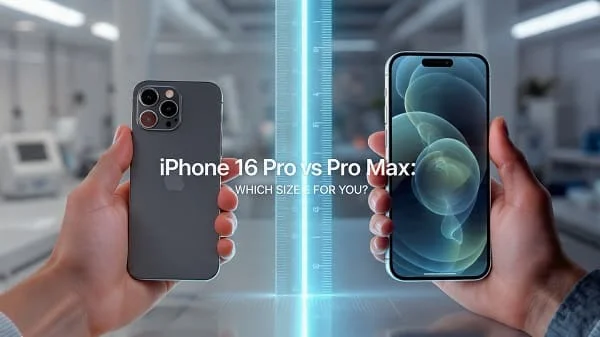
Still deciding within the Pro line? See our related comparison here: iPhone 16 Pro vs iPhone 16 Pro Max.
10‑Minute Store Checklist (Hands‑On Tests)
- Cover glare: Load a white page and stand near the window; compare reflections and auto‑boost.
- Typing feel: Type a paragraph; judge haptics and missed taps.
- Portrait test: Take a 2× portrait; look at skin tones and background separation.
- Low‑light aisle: Shoot a dim shelf; check noise vs sharpness.
- Video pan: Record a 10‑second pan; watch exposure transitions and jitter.
- Thermals: Record 4K for 2 minutes; feel for steady warmth vs hot spots.
- Speaker check: Play a podcast and a song; listen for clarity and stage.
- Magnetic mount: Try a MagSafe/Qi2 puck—snap strength and alignment matter.
- Storage reality: Check available capacity after setup; consider your 1‑year photo/video needs.
- One‑hand comfort: Walk around with each; which feels natural after two minutes?
Common Buying Mistakes to Avoid
- Choosing by peak benchmarks: Sustained behavior and heat handling matter far more.
- Under‑buying storage: 4K video and offline media will fill base tiers quickly.
- Ignoring accessories: A slim, grippy case and tempered glass save $$$—don’t skip them.
- Overlooking MagSafe/Qi2 quality: A good charger and centered ring make daily life easier.
FAQs
Is the Pro display really that different?
It feels smoother, especially in fast scrolling or UI animations. If you mostly read and message, the standard panel already feels great.
Do I need Pro video formats?
Only if you edit and grade regularly. For family and social, standard 4K modes are excellent.
Which lasts longer per charge?
Both target all‑day. Your usage (brightness, camera time, navigation) dominates outcomes. Pro may sustain heavy workloads more calmly.
Will the iPhone 16 get long updates?
Yes—long software support is an Apple hallmark for both lines.
Can I use third‑party MagSafe/Qi2 chargers?
Yes—stick to certified models for safe, consistent speeds and solid magnet alignment.
Final Verdict
If you want a phone that disappears into your life—fast, comfortable, great camera, all‑day battery—buy the iPhone 16. If you create a lot of video, need telephoto flexibility, or move huge files to drives, the iPhone 16 Pro earns its price in saved time and better control. Either way, get enough storage, add a slim grippy case and full‑adhesive tempered glass, and pick a certified MagSafe/Qi2 charger. That setup will feel premium every single day.
Helpful references (official and trusted):
- Apple: iPhone 16
- Apple: iPhone 16 Pro
- Apple Support: About MagSafe chargers
- Apple Support: About the USB‑C connector on iPhone
- DXOMARK: Smartphone cameras
Related read for Pro buyers: iPhone 16 Pro vs iPhone 16 Pro Max.

About the Author
Alex Carter — Founder & Editor‑in‑Chief, GicraMobile
Alex leads GicraMobile’s testing lab and reviews. His methodology focuses on day‑to‑day performance, battery health and thermals, camera consistency, and 5G/LTE reliability—so you can pick the right phone without hype.
Real‑world testing: 90–120 Hz smoothness, idle drain, thermals
Camera checks: HDR, skin tones, low‑light stabilization
Connectivity: band fit, eSIM, VoLTE/VoWiFi, Wi‑Fi performance
You may also like this