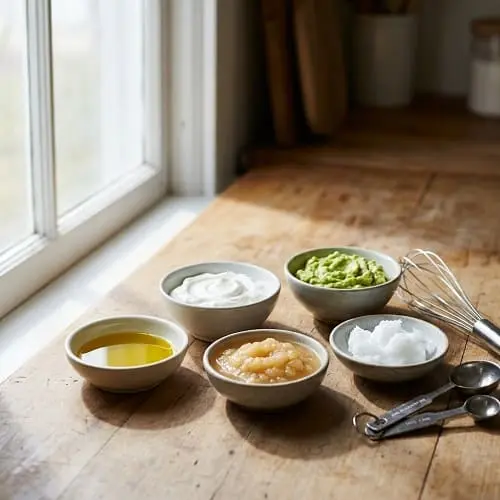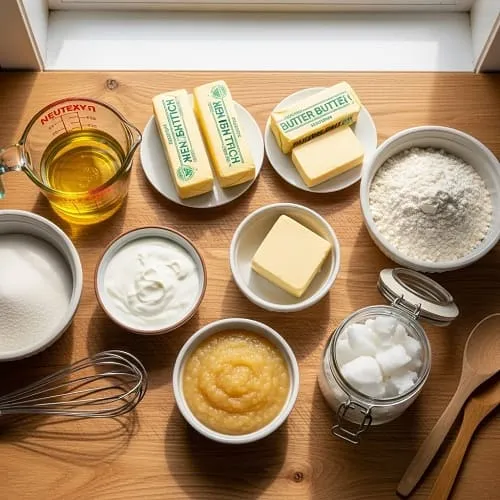
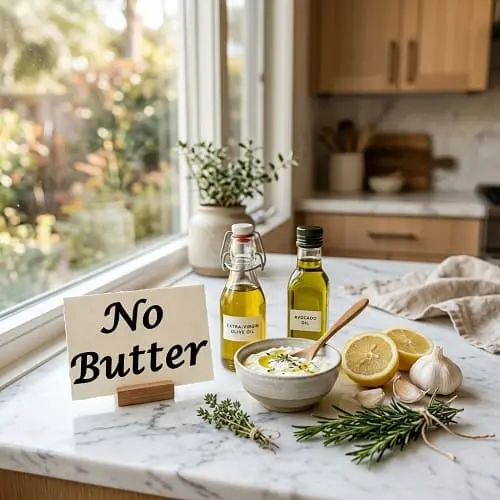
A healthy substitute for butter in cooking is usually extra-virgin olive oil, avocado oil, or a simple blend of olive oil plus a splash of broth for sautéing. For creamy dishes, try plain Greek yogurt, puréed white beans, or cashew cream. The best swap depends on heat level, flavor, and whether butter is used for cooking or finishing.
Table of Contents
Butter Is Delicious—But You Don’t Always Need It
Butter has a way of sneaking into everything. A pat in the skillet “just to start,” a knob melted over vegetables, a final swirl to make a pan sauce glossy. And honestly? I love butter.
But if you cook at home a lot, it’s completely reasonable to look for a healthy substitute for butter in cooking that still makes dinner taste like something you’d happily serve to friends. The goal isn’t to punish your food or strip away joy—it’s to keep the flavor while making everyday cooking a little lighter, a little more heart-friendly, or simply better aligned with how you want to eat.
In this guide, I’ll walk you through the best butter alternatives for real-life cooking—sautéing, roasting, sauces, mashed potatoes, and finishing—along with practical swap ratios and the small techniques that make the difference between “meh” and “wow.”
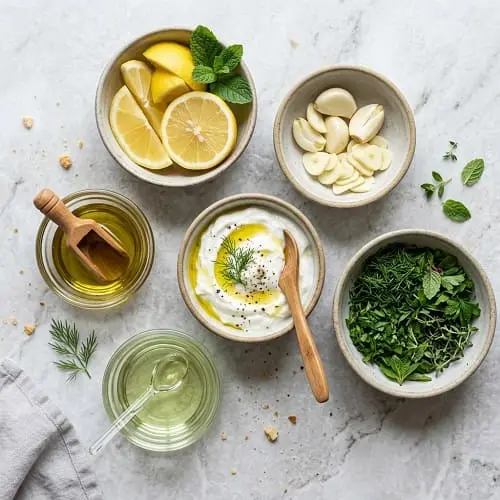
What Butter Actually Does in Cooking (So You Can Replace It Successfully)
Butter plays a few different roles, and your best substitute depends on which role matters most in the moment.
1) It adds flavor
Butter brings a nutty, creamy richness. If butter is the main flavor (like buttered noodles), you’ll want a substitute that tastes good on its own—extra-virgin olive oil, toasted sesame oil (in tiny amounts), or a flavorful sauce like pesto.
2) It carries heat and helps browning
Butter is a cooking fat. It helps food brown and prevents sticking—especially when sautéing aromatics, searing proteins, or roasting vegetables.
3) It creates silky texture
Butter is famous for “finishing”: whisking in a small amount at the end of cooking to make sauces glossy and smooth. That’s an emulsion trick—and you can do it without butter.
4) It adds moisture and mouthfeel
In mashed potatoes, sauces, or cooked grains, butter makes things feel richer. Healthy substitutes aim to recreate that comfort without relying on saturated fat as the main tool.
Quick Swap Guide: The Best Healthy Butter Substitutes (By Cooking Style)
- For sautéing: olive oil, avocado oil, canola oil, or olive oil + a splash of broth
- For roasting: olive oil or avocado oil (plus seasoning that pops)
- For creamy texture: Greek yogurt, puréed white beans, blended cottage cheese, cashew cream
- For finishing (that glossy restaurant feel): extra-virgin olive oil, tahini, pesto, or a quick pan-sauce reduction
- For “buttery” flavor without butter: nutritional yeast, miso (tiny amounts), toasted nuts, lemon zest, good salt
The Best Healthy Substitutes for Butter in Cooking (What to Use + How to Use It)
1) Extra-Virgin Olive Oil (EVOO): The Everyday All-Star
If you only keep one butter alternative in your kitchen, make it a good extra-virgin olive oil. It’s flavorful, versatile, and works in almost every savory situation—from sautéed vegetables to pasta to finishing soups.
- Best for: sautéing, roasting, drizzling/finishing, pasta, veggies, grain bowls
- Flavor match: Italian, Mediterranean, Middle Eastern, many American weeknight meals
- How to swap: Use 1 tablespoon olive oil for 1 tablespoon butter in most cooking applications
My chef-y tip: If you miss that “butter pop,” add a squeeze of lemon at the end. Butter often provides richness; lemon provides brightness. Together, they feel complete.
2) Avocado Oil: High-Heat Neutral and Super Reliable
When you want a neutral flavor and higher-heat flexibility, avocado oil is a great pick. It’s especially handy for searing and roasting when you don’t want olive oil’s flavor to be the star.
- Best for: high-heat sautéing, searing chicken or fish, roasting vegetables
- How to swap: 1:1 in place of butter for cooking
3) Canola Oil or Grapeseed Oil: Neutral Budget-Friendly Options
If you cook a lot and want a neutral, affordable oil that doesn’t fight your seasonings, canola oil is a practical choice. Grapeseed oil is also neutral and light, often used in restaurant kitchens.
- Best for: sautéing, pan-frying, stir-fries when you want other flavors to lead
- How to swap: 1 tablespoon oil for 1 tablespoon butter

4) Olive Oil + Broth (or Water): For Lighter Sautéing
This is one of my favorite “everyday healthy” tricks. Start with a little olive oil for flavor, then use broth to keep things moving in the pan without adding more fat.
- Best for: onions, garlic, mushrooms, greens, veggie-heavy meals
- How to do it: Start with 1–2 teaspoons olive oil, then add 1–2 tablespoons broth as needed to prevent sticking
Why it works: You still get the aroma and flavor bloom from the oil, but you don’t need a full tablespoon of fat for the entire sauté.
5) Plain Greek Yogurt: Creaminess Without a Heavy Finish
Greek yogurt is an underrated butter substitute in savory cooking—especially when you want creaminess and tang (think: finishing sauces, topping baked potatoes, creamy pasta, or enriching soups).
- Best for: creamy sauces off the heat, dips, dollops on chili, finishing soups
- How to swap: Replace butter stirred in at the end with 2–3 tablespoons Greek yogurt for a similar “creamy payoff”
Important: Greek yogurt can curdle if boiled. Turn the heat down (or off), then stir it in gently.
6) Puréed White Beans: The Secret Ingredient for Creamy, Cozy Dishes
If you want a surprisingly “buttery” mouthfeel without butter, puréed cannellini beans are magic. They thicken sauces, make soups feel creamy, and add protein and fiber—without tasting like beans when seasoned well.
- Best for: creamy soups, pasta sauces, mashed cauliflower, casseroles
- How to use: Blend 1 cup rinsed beans with 2–4 tablespoons broth until smooth, then stir in as a thickener/creamer
Flavor tip: Add garlic, parmesan (optional), lemon, and black pepper. Seasoning matters here.
7) Cashew Cream: The Dairy-Free “Finisher” That Actually Feels Luxurious
When you want that restaurant-style richness without butter (or without dairy), cashew cream is one of the best tools you can learn. It’s especially good in creamy pastas, vegan “alfredo,” and silky soups.
- Best for: dairy-free creamy sauces, soups, and curries
- Simple method: Soak cashews in hot water 20–30 minutes, then blend with water, lemon, salt, and garlic
- Swap idea: Instead of finishing with butter, swirl in 2–4 tablespoons cashew cream per serving until glossy
8) Tahini: Creamy, Savory, and Perfect for Vegetables
Tahini (sesame paste) gives a rich, creamy texture and a savory edge that feels satisfying in a way butter sometimes does—especially on roasted veggies, bowls, and sauces.
- Best for: roasted cauliflower, sweet potatoes, grain bowls, dressings
- How to use: Whisk tahini with lemon juice, warm water, garlic, and salt to make a pourable sauce
9) Pesto (or Herby Olive Oil): When Butter Was Mostly There for Flavor
Sometimes butter is basically a flavor delivery system—like melting over vegetables or stirring into hot pasta. In those moments, pesto or a simple herby olive oil can be a delicious, “why didn’t I do this sooner?” substitute.
- Best for: pasta, roasted vegetables, chicken, fish
- How to swap: Replace a pat of butter with 1–2 teaspoons pesto or a drizzle of olive oil blended with herbs and garlic
Healthy Butter Substitutes by Dish (Real-Life Examples)
Sautéed vegetables
Swap: olive oil or avocado oil (1:1), or olive oil + broth (lighter). Finish with lemon and a pinch of flaky salt.
Mashed potatoes
Swap: Greek yogurt, blended cottage cheese, or a drizzle of olive oil. For a “buttery” vibe without butter, add roasted garlic and chives.
Pan sauces (the “swirl in butter” moment)
Swap: reduce broth or wine until slightly syrupy, then whisk in olive oil off the heat. For creamy sauces, whisk in Greek yogurt or cashew cream instead of butter.
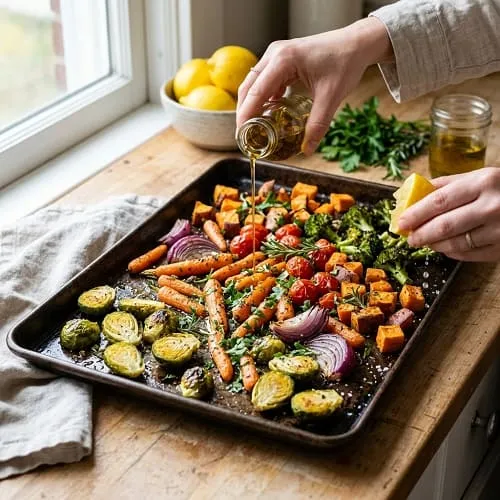
Roasted vegetables
Swap: olive oil or avocado oil. If you miss the depth butter adds, try smoked paprika, cumin, parmesan (optional), or a squeeze of citrus at the end.
Scrambled eggs
Swap: a small amount of olive oil or avocado oil. Keep heat low and stir constantly for creamy texture—technique matters more than butter here.
“Butter on toast” cravings
Swap: mashed avocado with salt and lemon, hummus, or a drizzle of olive oil with flaky salt and pepper. Different vibe, same satisfaction.
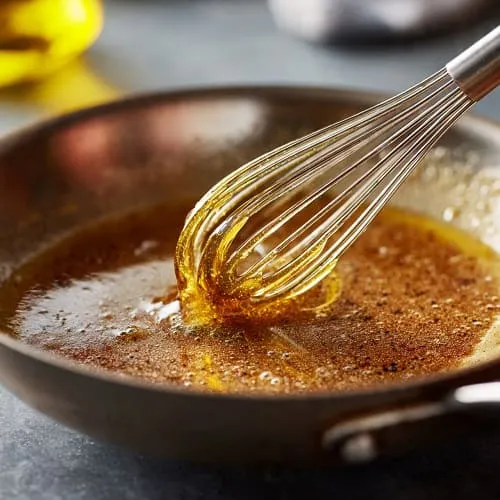
Swap Ratios You Can Actually Remember
Cooking is forgiving, but these starting points make substitutions feel effortless.
| When a recipe calls for… | Try this instead… | Best for | Notes |
|---|---|---|---|
| 1 tbsp butter for sautéing | 1 tbsp olive or avocado oil | Most savory cooking | Add broth if you want it lighter |
| 2 tbsp butter to finish vegetables | 1–2 tbsp EVOO + lemon | Veg, pasta, beans | Finish off heat for best flavor |
| Butter swirled into pan sauce | EVOO whisked in off heat | Pan sauces | Reduce liquid first for body |
| Butter for creamy texture | 2–4 tbsp Greek yogurt or cashew cream | Soups, pasta, mashed dishes | Don’t boil yogurt |
| Butter for thickening | Puréed white beans | Soups, sauces | Season well; blend smooth |
How to Keep Flavor High When You Cut Back on Butter
When people say, “I tried cooking without butter and it tasted bland,” it’s usually not because butter is irreplaceable—it’s because butter was doing two jobs: fat + seasoning.
Here are the easiest ways to keep food satisfying:
- Use enough salt (strategically). Butter contains salt in many kitchens. If you remove it, your dish may simply need seasoning.
- Add acid at the end. Lemon juice, vinegar, pickled onions—brightness makes “lighter” food taste alive.
- Lean on aromatics. Garlic, shallots, scallions, ginger. Sauté them gently in oil to build a flavorful base.
- Use umami boosters (small amounts). Parmesan, miso, soy sauce, nutritional yeast, tomato paste.
- Finish with something bold. Fresh herbs, toasted nuts, chili flakes, infused olive oil.
Is Butter “Bad”? A Practical Nutrition Note
This isn’t about labeling foods as good or bad. Butter can fit into a balanced diet—especially if you truly love it and use it intentionally. But if butter is a daily default in every pan and on every plate, swapping some of it for unsaturated fats (like olive oil) can be a smart move.
For a clear, evidence-based overview of dietary fats, Harvard’s nutrition resource is excellent: Harvard T.H. Chan School of Public Health: Fats and Cholesterol.
And for a heart-health perspective that’s easy to understand, the American Heart Association has a helpful guide: American Heart Association: Dietary Fats.
Cooking vs. Baking: Don’t Use the Same Substitution Rules
One quick heads-up: cooking substitutions are usually flexible—you can taste and adjust. Baking is chemistry, and the best butter swaps depend on structure, moisture, and texture.
If you’re also swapping butter in cakes, muffins, or cookies, these guides will save you time (and wasted ingredients):
- Butter Substitute for Baking (Best Swaps + Ratios)
- Healthy Butter Substitutes for Baking (Best Swaps + Ratios)
- low calorie substitute for butter in baking
Video: Simple Butter Swaps You Can Use in Everyday Cooking
If you want to see these swaps in action—how to sauté, finish, and build flavor without butter—this video is a helpful walkthrough.
Frequently Asked Questions
What is a healthy substitute for butter in cooking?
Extra-virgin olive oil is one of the best all-purpose substitutes, especially for sautéing, roasting, and finishing. For creamy dishes, try Greek yogurt (stirred in off heat), puréed white beans, or cashew cream. Choose based on heat level and whether butter is used for cooking or for texture at the end. see Healthy Butter Substitutes for Baking (Best Swaps + Ratios).
What do Jews use instead of butter?
It depends on dietary needs and tradition. In kosher cooking, butter (dairy) can’t be served with meat, so many Jewish cooks use olive oil, schmaltz (rendered chicken fat), or pareve options like avocado oil or non-dairy margarine. For lighter everyday meals, olive oil is a common, widely used choice.
What do Italians use instead of butter?
In many Italian kitchens, extra-virgin olive oil is the go-to fat for sautéing, roasting, and dressing vegetables, beans, and pasta. Butter is still used in certain Northern Italian dishes (like risotto or some sauces), but olive oil is often the everyday substitute when you want richness with a cleaner finish—especially when paired with garlic, herbs, and a squeeze of lemon.
What is a 1 to 1 butter substitute?
In cooking, most oils work as a 1:1 swap for butter by tablespoon. In baking, coconut oil is often one of the more reliable 1:1 substitutes by volume, though results still depend on the recipe. If you’re aiming for fewer calories, check: low calorie substitute for butter in baking.
Will my food taste less rich without butter?
Not if you replace richness thoughtfully. Use flavorful oils, season well, and finish dishes with acid (lemon or vinegar), fresh herbs, or a savory “booster” like parmesan, miso, or toasted nuts. Often, you’ll miss butter less than you expect—especially once you get used to finishing with olive oil and citrus.
Conclusion: The Best Butter Substitute Is the One That Fits Your Pan
The healthiest swap isn’t a single ingredient—it’s a smarter habit. Use olive oil or avocado oil for everyday heat, lean on broth when you want things lighter, and keep Greek yogurt, beans, or cashews in your back pocket for creamy comfort without relying on butter. Once you start matching the substitute to the cooking method, you’ll keep all the flavor—and you’ll barely notice the butter is gone.

Hi, I’m Emma! I’m a busy home cook who loves creating quick, delicious recipes that real people can actually make. At GICRA Kitchen, I share easy air fryer meals, high-protein recipes, and meal prep ideas that fit into your busy life. Welcome to my kitchen! About Emma Carter
You may also like this